Latin is unusual among languages because the goal is almost never conversation — it is reading. That changes how you should approach it. You are building toward Caesar, Cicero, and Virgil, not toward ordering coffee, and the whole path bends toward decoding real texts written two thousand years ago. The difficulty is the grammar's density: a heavily inflected language where endings carry the meaning English assigns to word order. Master the endings and Latin opens; skip them and every sentence becomes a puzzle with missing pieces. The right order builds those endings patiently, then hands you graded reading, then the authors themselves.
How to Learn Latin from Books, in Order
July 14, 2026 · 2 min read
Two ways into the grammar
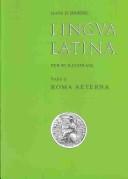
There are two respected roads, and this path uses both. Wheelock's Latin is the classic grammar-first course, teaching declensions and conjugations systematically with real sentences drawn from Roman authors. Complement it with Lingua Latina per se Illustrata, the famous natural-method book written entirely in Latin, where you absorb the language through context rather than translation. Running the analytical and the immersive approaches together is genuinely powerful — one explains the machinery, the other trains your instinct.
From exercises to connected reading
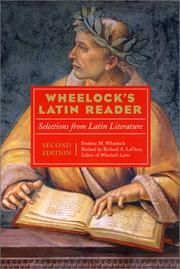
Once the basics hold, you need volume of real-ish text. Wheelock's Latin Reader collects unadapted passages that push you toward authentic prose while still offering support. 38 Latin Stories Teacher's Guide provides graded narratives keyed to your progress, ideal for consolidating grammar through reading rather than more tables. The point of both is the same: get your eyes moving over Latin sentences until parsing becomes recognition.
The ancient authors
This is what the grammar was for. Begin prose with C. Iulii Caesaris Commentarii de bello gallico — Caesar's war commentaries, famed for clear, direct Latin and the traditional first author for students. Move to Cicero: select letters for the more elaborate, rhetorical prose of Rome's greatest orator, a real step up in sophistication. Then turn to poetry: Aeneid, Virgil's national epic and the summit of Latin verse, and Metamorphoses, Ovid's endlessly inventive mythological poem. Close, fittingly, with philosophy in Letters from a Stoic, Seneca's accessible and humane letters, which reward a reader who has come this far.
Follow the arc and the earlier books recede into reference while the ancient authors become the daily work. That is the whole promise of Latin — grammar in service of texts that have outlasted empires. Take the full path in order and each stage earns the next.
FAQ
- Do I need to speak Latin to learn it?
- No. Latin study is overwhelmingly aimed at reading classical authors, so the path prioritizes grammar and reading skill over conversation, building toward authors like Caesar and Virgil rather than spoken fluency.
- Should I use Wheelock or Lingua Latina?
- Ideally both. Wheelock's Latin explains the grammar analytically while Lingua Latina per se Illustrata builds intuition through immersion, and using them together covers each method's blind spots.
Get the books
- 1Wheelock's LatinAmazon ↗Frederic M. Wheelock
- 2Wheelock's Latin ReaderAmazon ↗Richard A. LaFleur
- 3Lingua Latina per se IllustrataAmazon ↗Hans H. Ørberg
- 438 Latin Stories Teacher's GuideAmazon ↗Anne H. Groton
- 5C. Iulii Caesaris Commentarii de bello gallicoAmazon ↗Gaius Julius Caesar
- 6Cicero: select lettersAmazon ↗Cicero
As an Amazon Associate we earn from qualifying purchases. Some book links are affiliate links; you pay the same price and we may earn a small commission.
Follow the full reading path

Learn Latin: a reading path from first declensions to Caesar and Cicero
Beginner9books85 hrs4 stages
@craftsherpa♥ 0
Ready to learn something deeply?
Build a reading path — free