Bengali rewards a learner twice, first with a spoken language shared by hundreds of millions, then with one of the world's great literary traditions. But it also asks you to learn a new script and a grammar quite different from English, so a good order matters. Build the script and basic sentences first, add a real grammar, work through intermediate material, and only then open the literature, where the payoff is huge.
Start with the beginner courses, reinforce with grammar, then climb toward reading real Bengali writing.
Beginner foundations
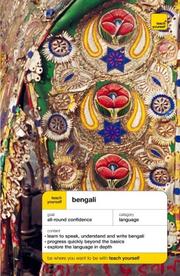
Begin with Teach Yourself Bengali, William Radice's trusted self-study course, which introduces the script, sounds, and everyday patterns in an orderly way. Alongside it, Colloquial Bengali, Mithun Bhattacharjee's conversation-focused course, builds spoken fluency and listening from the start. For a clear grammar reference to sit beside them, Bengali, Hanne-Ruth Thompson's essential grammar, explains the structure precisely without drowning you in detail.
Building the grammar
As you move past the basics, deepen your grasp of structure. A Practical Grammar of Bengali, Suniti Kumar Chatterji's classic treatment, comes from one of the great scholars of the language, and An introduction to Bengali, Edward C. Dimock's course, offers a rigorous academic pathway favored in university programs. When you are ready to consolidate, Intermediate Bengali, Hanne-Ruth Thompson's follow-on, bridges you from textbook sentences toward real texts.
Reading the literature
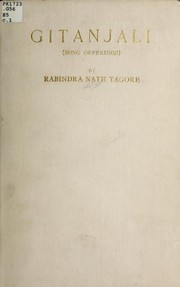
The reward for the grammar work is the literature, and Bengali's is extraordinary. Gitanjali (song offerings), Rabindranath Tagore's Nobel-winning collection of poems, is the natural first literary text, lyrical and often read bilingually. Then Pather Panchali, Bibhutibhushan Bandyopadhyay's beloved novel of village childhood later filmed by Satyajit Ray, gives you a full narrative to grow into.
Books build the foundation, but Bengali's tones and rhythms need listening and speaking practice to truly stick. Read the courses in order, then climb into the literature, and follow the full path to keep the sequence straight.
Follow the full reading path →
Ready to learn something deeply?
Build a reading path — free