Russian scares people at two points. The first is the Cyrillic alphabet, which looks like a wall but falls in a week once you stop treating familiar-looking letters as English. The second is the case system: six cases that reshape nouns, adjectives, and pronouns depending on their job in the sentence. That is the real work of Russian, and no amount of vocabulary substitutes for understanding it. A good reading order tackles the alphabet immediately, then builds grammar patiently, then rewards you with some of the greatest literature ever written.
Best Books to Learn Russian, in Reading Order
July 14, 2026 · 2 min read
The alphabet and the core course
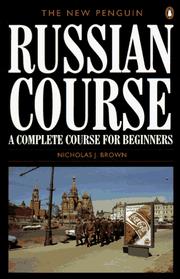
Read first, always. Russian Alphabet Mastery exists to make Cyrillic automatic, drilling the letters until they feel native rather than decoded. With that in place, anchor your study in The new Penguin Russian course, a clear, self-contained beginner course that walks through grammar and builds sentences in sensible steps. This is your spine — the book you actually progress through.
Grammar, vocabulary, and drills
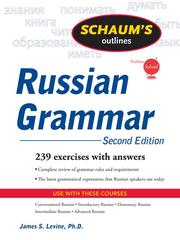
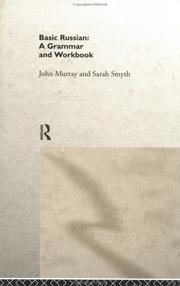
Around that spine, add the supports that turn a course into competence. Schaum's outline of Russian grammar is a thorough reference and workbook for the case system and verb aspects, exactly the topics that need repetition rather than a single explanation. Russian Vocabulary organizes words by theme so you build coverage efficiently instead of hoarding random terms. Then consolidate with graded practice: Basic Russian offers structured exercises to make the fundamentals automatic, and Intermediate Russian carries the same drilling approach into harder grammar once the basics hold.
Rotate these rather than reading them straight through. The course moves you forward; the grammar outline settles the hard parts; the vocabulary and workbooks turn knowledge into reflex.
Reading real Russian
Now the payoff. Read Russian! is the deliberate bridge — a reader that eases you into authentic text with support, teaching you to handle real Russian on the page. From there you can reach for the literature itself. The Master and Margarita is a dazzling, playful novel that rewards an adventurous intermediate reader, and The captain's daughter offers Pushkin's clear, elegant prose, often the gentlest doorway into classic Russian fiction.
Read these in order and the books quietly change jobs: the alphabet trainer is long forgotten, the course becomes review, the grammar outline becomes a reference you consult mid-novel, and the literature becomes the reason the case tables were worth memorizing. Follow the full path and each stage sets up the next.
FAQ
- How hard is the Russian case system, really?
- It is the main challenge, but it is learnable with steady drilling. Using a grammar workbook like Schaum's outline of Russian grammar alongside your main course, rather than trying to memorize tables in isolation, is what makes the cases stick.
- When can I start reading Russian literature?
- After you have solid beginner-to-intermediate grammar and some guided reading practice. A transitional reader like Read Russian! prepares you, and accessible classics such as The captain's daughter make a realistic first serious book.
Get the books
- 1The new Penguin Russian courseAmazon ↗Nicholas J. Brown
- 2Schaum's outline of Russian grammarAmazon ↗James S. Levine
- 3Basic RussianAmazon ↗Murray, John
- 4Intermediate RussianAmazon ↗Murray, John
- 5The Master and MargaritaAmazon ↗Михаил Афанасьевич Булгаков
- 6The captain's daughterAmazon ↗Aleksandr Sergeyevich Pushkin
As an Amazon Associate we earn from qualifying purchases. Some book links are affiliate links; you pay the same price and we may earn a small commission.
Follow the full reading path
Learn Russian: the best books in order, from Cyrillic to fluent reading
Beginner6books47 hrs4 stages
@craftsherpa♥ 0
Ready to learn something deeply?
Build a reading path — free