World mythology is vast and easy to get lost in. Dive into a scholarly translation of Mesopotamian epic cold and you will drown in unfamiliar names; skim a single pop retelling and you learn one tradition in isolation. The trick is to build a foothold, tour the major traditions, and only then reach for the theories that connect them.
Reading in order gives the myths context. Start with a broad, readable survey, move through the great regional traditions one at a time, and finish with the comparative works that reveal the deep patterns beneath them all.
Get your footing
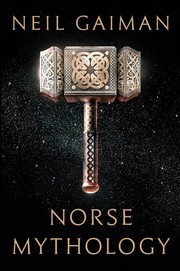
Begin with Mythology by Edith Hamilton, the beloved one-volume introduction that organizes Greek, Roman, and Norse myth into clear, memorable narratives. Then let Norse Mythology by Neil Gaiman carry you through the Norse cycle as living story rather than dry summary. These two give you the confidence and vocabulary to venture further.
Tour the great traditions
Now go tradition by tradition. Egyptian Myths by Geraldine Pinch is a scholarly yet accessible guide to a mythology many readers never learn. For the Greeks in depth, The Greek Myths by Robert Graves is the exhaustive reference, and The Penguin Book of Classical Myths by Jennifer R. March offers a more navigable modern retelling. Then widen further: Hindu Myths collects the foundational stories of one of the world's richest traditions, and Myths from Mesopotamia by Stephanie Dalley brings you the oldest recorded myths, including Gilgamesh, in fine translations.
See the patterns
With the traditions in hand, the comparative works pay off. The Mythology of All Races is the sweeping older reference for tracing motifs across cultures. Then The Hero with a Thousand Faces by Joseph Campbell presents the famous monomyth — the shared shape of hero stories worldwide — and The Power of Myth, also by Campbell, makes his ideas warmly accessible through conversation, tying the whole subject back to why myths still matter.
Read in this order and the world's myths stop being a jumble and become a map. Follow the full path to see both the stories and the deep structures they share.
Follow the full reading path →
Ready to learn something deeply?
Build a reading path — free