Joinery is the heart of woodworking. A joint is the point where two pieces of wood become one structure, and the difference between a wobbly project and an heirloom is almost always in the joints. But joinery is easy to learn badly, memorizing a dovetail without understanding why its angles resist pull, so the order you learn in shapes how well you actually cut.
This path starts with tools and fundamentals, builds a working library of joints, deepens hand-tool skill, then applies it all to real furniture. Read it in sequence and each joint arrives with the reasoning behind it.
Tools and fundamentals
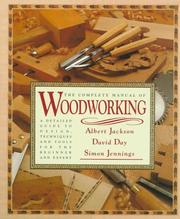
Begin broadly. The complete manual of woodworking by Albert Jackson lays out the whole landscape, wood, tools, and technique, so nothing later feels disconnected. The Anarchist's Tool Chest then argues for a focused kit and the mindset of hand-tool work, which is where precise joinery lives. With the right tools and expectations, the joints themselves become approachable.
Build your joint library
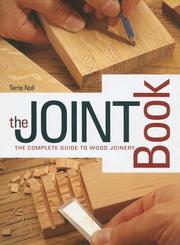
Now go straight at the joints. The Joint Book by Terrie Noll is a clear illustrated catalog, a reference you return to whenever you need to choose the right joint for a load and a look. Woodworking with the router by William Hylton covers the machine that cuts many joints quickly and repeatably, the practical counterweight to pure hand work.
Then master the hand tools that make joinery sing. The Handplane Book by Garrett Hack turns the plane into a precision instrument for fitting surfaces flat and true, the skill that makes joints close cleanly. The Complete Illustrated Guide to Joinery by Gary Rogowski is the deep, methodical treatment, essentially the graduate course in how and why each joint works.
From skill to fine furniture
With a solid joint library, learn from masters applying it. Handmade by Gary Rogowski connects craft to intention, why we build the way we do. Taunton's Complete Illustrated Guide to Box Making (Complete Illustrated Guide) by Doug Stowe is the ideal low-risk practice ground, boxes demand the same joints as furniture at a fraction of the cost.
Close with two masters of solid-wood furniture. With the grain by Christian Becksvoort deepens your reading of the material itself, and The Essential Woodworker by Robert Wearing reinforces the core hand skills that underpin every joint. Finally, Furniture and Cabinet Making by Alan Peters shows joinery in service of designed, finished pieces, the destination of the whole path.
Read this way, you move from cutting a joint to understanding it to designing around it. Follow the full reading path to build joints that hold for generations.
Follow the full reading path →
Ready to learn something deeply?
Build a reading path — free