Flooring looks simple until the first row is out of square and every board after it magnifies the error. The work is really about preparation, layout, and matching the method to the material. A tile floor and a floating laminate floor share almost nothing except the room, so reading broadly before you specialize saves you from expensive redos.
This path starts with general home-repair fundamentals and the tools, then treats each flooring type as its own discipline, and closes with finishing and the realities of working solo. Here is the sequence.
Build the fundamentals first
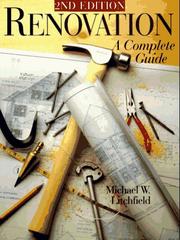
Begin with breadth. The complete photo guide to home repair gives you the vocabulary of framing, subfloors, and moisture, the context every flooring job depends on. Tools: A Complete Illustrated Encyclopedia by Chris Finney makes sure you know what each tool is for before a rented saw intimidates you. Then Renovation by Michael Litchfield, a deep general reference, connects flooring to the whole house so you understand what sits above and below the floor.
With that foundation, The complete guide to flooring surveys every option, subfloor prep, underlayment, transitions, and helps you choose the right material for each room and traffic level.
Master hardwood, tile, and stone
Now go deep on the hard cases. Hardwood floors by Don Bollinger is the specialist text on nailing, racking, and sanding solid wood, where acclimation and layout make or break the result. For tile, Tile your world by John Bridge is famously practical on the part beginners skip: a flat, waterproof substrate. The complete guide to ceramic & stone tile extends that into cutting, setting, and grouting a range of materials cleanly.
Layout and cuts are where tile jobs succeed or fail, so read these before you spread any thinset. A dry layout you can adjust is worth more than speed.
Finish the job and work smart
Laminate and finishing round out the path. The Complete Guide to Laminate Floors covers floating installs, expansion gaps, and the click systems that most DIYers meet first, a good confidence builder. Taunton's complete illustrated guide to finishing by Jeff Jewitt then teaches the surface work, sealing and protecting wood so the floor survives real life.
Finally, Working Alone by John Carroll is the quiet essential: how one person handles heavy, awkward materials safely and accurately without a crew. Flooring is often a solo job, and doing it alone without hurting yourself or the material is a skill of its own.
Read this way, you learn to prep once, choose the right method, and install each material on its own terms. Follow the full reading path to go from bare subfloor to a finished floor with confidence.
Follow the full reading path →