Wicca and the wider modern pagan revival are often misrepresented from both sides, dismissed as make-believe or inflated into an ancient secret. The clearer view is that these are genuine modern religious movements, mostly twentieth-century in origin, with sincere practitioners and a fascinating documented history. Reading in order helps you separate contemporary practice, the founders' own writings, and rigorous history, so you understand the tradition as it actually is.
This path is descriptive and respectful, useful to practitioners and to readers who simply want to understand.
Contemporary practice
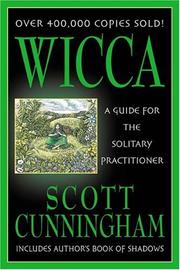
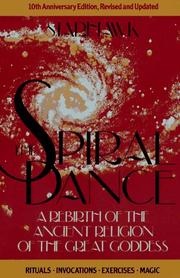
Begin with Wicca, Scott Cunningham's bestselling and gentle guide for solitary practitioners, which is how most people first meet the religion today. Then The spiral dance, Starhawk's influential blend of practice, feminism, and earth-centered spirituality, a foundational text of the modern movement. Add Paganism: An Introduction to Earth-Centered Religions by Joyce Higginbotham for a broad, level-headed survey of the wider family of traditions.
The founders and the movement
To understand where it came from, read the founders and chroniclers. Witchcraft today, Gerald Gardner's book that launched modern Wicca, and Witchcraft for Tomorrow, Doreen Valiente's influential work by the woman who shaped its liturgy, are primary sources from the tradition's creators. Drawing down the Moon, Margot Adler's landmark survey of American paganism, maps the diverse movement as it grew, and A World Full of Gods, John Michael Greer's case for a polytheist worldview, presents the philosophy seriously.
History and depth
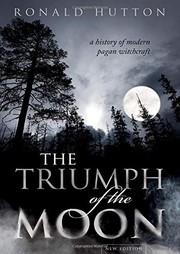
For rigorous history, The Triumph of the Moon, Ronald Hutton's definitive scholarly account of the origins of modern pagan witchcraft, is indispensable and honest about what is genuinely old and what is recent. Deepen practice with The Inner Temple of Witchcraft, Christopher Penczak's structured training course, and close with Her Hidden Children, Chas Clifton's history of paganism in America, which grounds the movement in its social context.
Read in order, modern paganism appears as a living, documented tradition rather than a rumor. Follow the full path to take the books in sequence.
Follow the full reading path →
Ready to learn something deeply?
Build a reading path — free