Veterinary medicine is quietly one of the hardest sciences: it is medicine practiced across dozens of species, each with its own physiology, pathology, and pharmacology. A vet has to hold in mind what a physician can specialize away. That breadth is exactly why reading in a deliberate order matters so much.
A good sequence builds the normal science first, then how bodies go wrong, then how to treat them, and closes with an honest look at the profession. These are the reference texts that support an accredited veterinary program and licensure; they are study companions, not a substitute for veterinary school, clinical training, or any medical decision about a real animal.
Build the science foundation
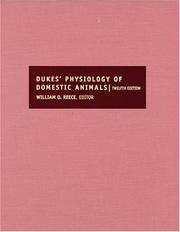
Start with Dukes' Physiology of Domestic Animals, the standard on how healthy animal bodies function across species, and Veterinary Biochemistry and Molecular Biology for the chemistry underneath. This normal-baseline knowledge is what every diagnosis is measured against.
Understand disease
With normal function in place, learn how it fails. Veterinary Microbiology and Microbial Disease covers the pathogens, Veterinary Pathology explains the tissue-level changes disease causes, and Veterinary Pharmacology and Therapeutics teaches how drugs act to reverse it. This trio is the mechanism layer that clinical reasoning depends on.
Practice and know the reality
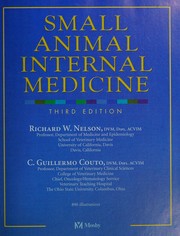
Now the clinic. Handbook of Veterinary Procedures and Emergency Treatment is the practical bedside reference, while Small Animal Internal Medicine and Large Animal Internal Medicine cover the two broad worlds of practice in depth. Veterinary Medicine rounds out the clinical picture. Finally, Being a Veterinarian offers an honest, humane portrait of the profession's rewards and hard realities — important reading before committing years to it.
Read in this order and the enormous scope of veterinary medicine resolves into a learnable structure. Follow the full path to go from the fundamentals of physiology toward the clinical thinking the profession demands — inside a program, never in place of one.
Follow the full reading path →
Ready to learn something deeply?
Build a reading path — free