Network engineering is one of the few tech fields with a clear credential — the CCNA — and that clarity is a trap. It tempts people to grind exam questions before they understand what a packet is, producing a certificate holder who freezes the first time a real network misbehaves. The fix is to learn the fundamentals before the flashcards.
A good reading order builds conceptual understanding, then the protocols and routing that carry it, then real-world operations, and finally targeted exam prep. The books prepare you thoroughly, but the CCNA certification comes only through Cisco's official exam.
Understand how networks work
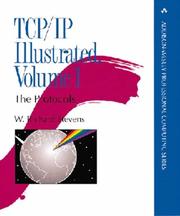
Start with Computer Networking: A Top-Down Approach, the classic that explains the layered model from applications down to the wire. Then TCP/IP Illustrated, Volume 1 goes deep on the protocols that actually move data, and Subnet an IPv4 Network drills the addressing math that trips up nearly every beginner. Get these solid and the rest of networking has a foundation to attach to.
Master routing and switching
The heart of the CCNA is moving traffic correctly. CCNA Routing and Switching Complete Study Guide covers the exam's core territory, and Routing TCP/IP, Volume 1 goes deeper on the routing protocols that decide where packets go. For the reality behind the theory, Network Warrior is the beloved field guide to how networks are actually built and broken in the wild — the book that makes you sound like you have done the job.
Prepare for the exam
With understanding in place, focus the study. CCNA 200-301 Official Cert Guide, Volume 1 and CCNA 200-301 Official Cert Guide, Volume 2 are the authoritative, exam-aligned references, and 31 Days Before Your CCNA Exam is the structured final review that organizes your last month of prep. Read last, they turn knowledge into a passing score.
Read in this order and the CCNA stops being rote memorization and becomes proof you actually understand networks. Follow the full path to go from your first look at the OSI model to exam day and beyond.
Follow the full reading path →
Ready to learn something deeply?
Build a reading path — free