Life coaching attracts people who love helping others, then surprises them with how much it is a trained discipline rather than a personality trait. The skill is not dispensing advice; it is asking questions that help someone find their own answer. Learn that backwards and you become a well-meaning problem-solver who talks too much.
A good reading order teaches the method first, deepens the underlying human skills, and only then turns to the business of finding paying clients. Note the honesty rail: books build competence, but coaching is an unregulated field where credibility often comes from recognized training and certification, and coaching is not therapy — these titles complement that path, they do not replace it.
Learn the core method
Start with Co-Active Coaching, the field's most widely used framework for a collaborative, client-led model. Then The Coaching Habit distills the practice into a handful of powerful questions you can use immediately, and Coaching for Performance adds the classic GROW model that structures a session from goal to action. Together they give you a repeatable way to run a conversation.
Deepen the human skills
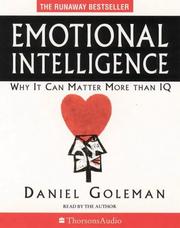
Great coaching rests on emotional attunement and better questions. Emotional Intelligence explains the self-awareness and empathy the work demands, A More Beautiful Question trains the art of inquiry itself, and The Solutions Focus offers a practical, strengths-based way to move clients toward what is working. For understanding how adults actually change, Changing on the Job and Mindset reframe growth as something developmental rather than fixed — essential context when a client feels stuck.
Build the practice
Skill without clients is a hobby. The Prosperous Coach makes the case for building a practice through deep relationships and bold offers rather than funnels, and Book Yourself Solid supplies the broader client-attraction system to keep a calendar full. Read them last, once your craft can deliver on the promise your marketing makes.
Follow this order and coaching stops feeling like improvised advice and becomes a repeatable, ethical craft. Walk the full path to go from your first practice conversation to a real, sustainable practice.
Follow the full reading path →
Ready to learn something deeply?
Build a reading path — free