The biggest mistake new vegan cooks make is thinking in terms of subtraction — take out the meat and dairy, and hope something is left. The cooks who actually love eating this way think in terms of flavor: how to build depth, texture and satisfaction from vegetables, grains, legumes and spices. That shift is learnable, but not from a random pile of recipes. It comes from reading in an order that teaches fundamentals first, then range, then the pantry skills that make everything crave-worthy.
Start broad and practical, then travel into global cuisines that were rich in plant food long before "vegan" was a category, then master the make-it-yourself staples that raise the whole game.
Build a broad, everyday foundation
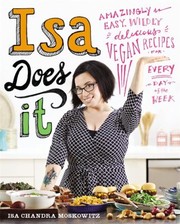
Begin with How to cook everything vegetarian by Mark Bittman, an enormous, reliable reference that teaches techniques and gives you a plant-based version of nearly any dish. Then add personality and everyday joy with Isa Does It by Isa Chandra Moskowitz, whose fast, flavor-forward recipes prove vegan food can be genuinely fun. Round out the basics with The oh she glows cookbook by Angela Liddon for approachable, crowd-pleasing meals.
Level up flavor and technique
Now push past defaults. The homemade vegan pantry by Miyoko Nishimoto Schinner teaches you to make the building blocks — nut cheeses, condiments, staples — that separate flat vegan food from rich vegan food. Then read Plenty by Yotam Ottolenghi, which, while vegetarian rather than strictly vegan, is a masterclass in making vegetables the exciting center of a plate.
Travel the world's plant-rich cuisines
Many cuisines have cooked gloriously without meat for centuries, so learn from them. Afro-Vegan by Bryant Terry reimagines African, Caribbean and Southern food through a plant-based lens with real soul. Vegan Richa's Indian kitchen by Richa Hingle opens up Indian cooking, where spice and legumes make plant food deeply satisfying. Add The wicked healthy cookbook by Chad Sarno for chef-driven technique that treats vegetables with restaurant seriousness.
Keep going deeper
Finish with more range and ambition from a master of the style. Plenty More: Vibrant Vegetable Cooking from London's Ottolenghi by Yotam Ottolenghi extends the vegetable-first philosophy with bolder, more varied dishes, giving you a nearly endless well of ideas once your fundamentals are solid.
How to actually practice
Stock a good pantry first — beans, grains, nuts, spices, a few sauces — because plant-based cooking lives or dies by what is in the cupboard. Learn to season aggressively and to use acid, salt and umami (miso, soy, mushrooms, tomato) to build depth. Cook from one book until its style feels natural before adding another, and pay attention to texture; contrast between crisp and creamy is what makes vegan plates feel complete.
Ready to cook plant-based food you crave, in order? Follow the full reading path, explore the subject hub, or browse related cooking paths.
Ready to learn something deeply?
Build a reading path — free