UX design gets mistaken for making things pretty, when it's really about making things work for the humans using them. That distinction is a discipline: understand how people perceive and think, learn to research what they actually need, master the craft of interaction, and finally communicate your decisions so they survive contact with stakeholders. Read those out of order and you'll produce polished screens that solve the wrong problem.
This path follows that logic, from principles to portfolio.
Ground yourself in principles
Start with The Psychology of Everyday Things by Donald Norman — the foundational text on how design shapes human behavior, and where concepts like affordances come from. Then Don't Make Me Think by Steve Krug distills usability into its most practical, memorable form. Together they rewire how you see every interface you touch.
Learn research and process
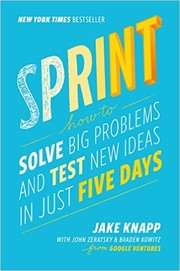
Great UX starts with understanding users, not guessing. Sprint by Jake Knapp gives you a concrete five-day process for testing ideas fast, Just Enough Research by Erika Hall teaches lean, practical research that fits real timelines, and Interviewing Users by Steve Portigal builds the specific skill of talking to people to uncover what they truly need — the input that makes design decisions defensible.
Master the interaction craft
Now the design work itself. About Face 3 by Alan Cooper is the comprehensive reference on interaction design and modeling users through personas. Designing with the Mind in Mind by Jeff Johnson connects design choices to cognitive psychology, so your decisions have reasons. And Rocket Surgery Made Easy, also by Krug, makes usability testing so simple you'll actually do it.
Get hired and defend your work
Finally, turn skill into a career. The UX careers handbook by Cory Lebson maps the roles, portfolios, and paths into the field, and Articulating Design Decisions by Tom Greever teaches the underrated skill that makes or breaks UX careers — explaining and defending your choices so they don't get overruled.
Follow the path in order and you'll design for users with evidence and defend that work with confidence — which is what actually gets you hired.
Follow the full reading path →
Ready to learn something deeply?
Build a reading path — free