IT support and the help desk are the most reliable on-ramp into a tech career — no degree required, just demonstrable knowledge and the right certifications. But candidates who cram cert questions without understanding the fundamentals struggle the moment a real problem doesn't match a flashcard. The fix is reading order: understand how the machines work first, then earn the certifications that get interviews, then build the practical skills that make you good at the actual job.
These books complement hands-on practice — build a lab, break things, fix them — but they're the knowledge spine of the path.
Understand the fundamentals
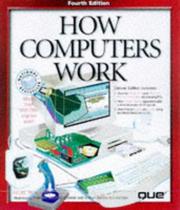
Start with How computers work by Ron White, a clear, visual explanation of what's actually happening inside the machine, and The practice of system and network administration by Limoncelli for the bigger picture of how systems and networks are run in the real world. Grasping these first means the certification material becomes understanding rather than memorization.
Earn the certifications that get interviews
Now the credentials employers screen for. CompTIA A+ Core 1 and Core 2 Exam Cram by Prowse and CompTIA A+ Complete Study Guide by Mike Meyers prepare you for the foundational A+ certification — the standard entry ticket for support roles. Then CompTIA Network+ Guide to Networks by Jill West builds the networking knowledge that A+ only introduces, and that nearly every IT problem eventually touches.
Build real-world skills
Certifications open the door; these skills keep you in the room. Learn Windows Powershell 3 in a Month of Lunches by Don Jones teaches the automation and scripting that separate a button-clicker from a capable tech, and Troubleshooting with the Windows Sysinternals Tools by Russinovich gives you the professional-grade diagnostic tools for hard problems. Finally, think past the first job: The complete software developer's career guide by Sonmez offers broad, practical career strategy for growing in tech, and The Phoenix Project by Gene Kim tells a gripping story that teaches how modern IT and operations really work — and where a support career can lead.
Follow the path in order and your first IT job goes from a long shot to a logical next step.
Follow the full reading path →
Ready to learn something deeply?
Build a reading path — free