Becoming a dental hygienist is a genuine clinical education, and books are a real part of it — but they support an accredited program, licensure, and supervised clinical hours, not a shortcut around them. What a good reading order gives you is understanding that builds: the science first, then the clinical practice that applies it, then the board review that certifies it. Read clinical technique before the underlying biology and you'll memorize steps without knowing why.
This path mirrors how programs sequence the material, so use it to preview, reinforce, or review alongside your coursework.
Build the science foundation
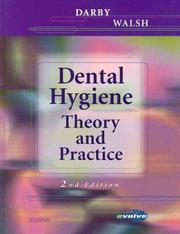
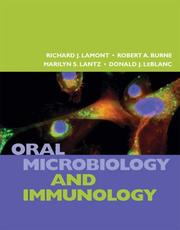
Start with Dental hygiene theory and practice by Darby, the comprehensive backbone text that frames the whole discipline. Layer the basic sciences it assumes: Head and Neck Anatomy for Dental Hygienists by Fehrenbach for the structures you'll work in and around, Oral microbiology and immunology by Lamont for the biology of disease you're fighting, Oral pathology for the dental hygienist by Ibsen for recognizing what's abnormal, and Pharmacology and therapeutics for dentistry by Yagiela for the drugs and interactions that affect care.
Learn the clinical practice
With the science in place, move to the chair. Clinical practice of the dental hygienist by Esther Wilkins is the classic, encyclopedic clinical reference — often the field's single most cited text. Dental radiography by Haring covers imaging technique and safety, and Carranza's clinical periodontology by Carranza gives the deep periodontal knowledge that sits at the heart of the hygienist's work.
Prepare for the boards
Certification is the gate to practice. Mosby's Review for the NBDHE and Review of Dental Hygiene: Board Examination Review by Walsh are built specifically to consolidate everything for the national board exam. Finish with the practice-readiness texts: Ethics, jurisprudence, and practice management in dental hygiene by Kimbrough and Infection control and management of hazardous materials for the dental team by Miller, which cover the professional and safety obligations you'll be held to daily.
Follow the path in order and the exam becomes a review of what you understand — and the clinical work rests on a foundation you can trust.
Follow the full reading path →
Ready to learn something deeply?
Build a reading path — free