Personality "type" is one of the internet's favorite toys — quizzes, four-letter codes, endless memes. Most of it is entertainment dressed as insight. Real self-knowledge comes from understanding how personality actually works: which traits are stable, how much is genetic, and what the popular systems get right and wrong. This path starts there, then walks through the history of type systems with a clear eye, before turning to how you actually live with your particular makeup.
Read in order and you will hold the science before the pop culture, which lets you enjoy the type systems without being fooled by them.
Stage 1: the science of traits
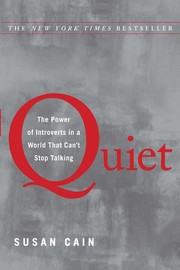
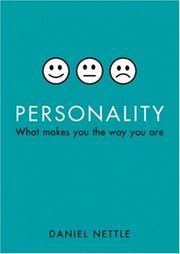
Start with Personality by Daniel Nettle, a lively, evidence-based introduction to the Big Five — the trait model psychologists actually use — and what it does and does not predict. Quiet by Susan Cain then explores one trait dimension, introversion and extraversion, in rich cultural depth, showing how a single trait shapes a life.
Stage 2: the type systems, examined
Now the popular frameworks, with a critical guide. The personality brokers by Merve Emre is a fascinating history of the Myers-Briggs Type Indicator — where it came from and why to hold its claims lightly. Personality and assessment by Walter Mischel is the classic that challenged the very idea of fixed traits, arguing behavior depends heavily on situation — an essential counterweight.
Stage 3: nature, story, and self
Personality is more than a score. The Developing Genome by David S. Moore explains how genes and environment interact, dissolving the simple nature-versus-nurture frame. The stories we live by by Dan P. McAdams argues that identity is also the narrative you tell about yourself — a dimension no trait test captures.
Stage 4: live your traits well
Finally, application. Me, Myself, and Us by Brian R. Little shows how to work with your traits, and even act against them for things you care about. The Character Edge by Robert L. Caslen and Michael D. Matthews turns toward character strengths you can deliberately build, a hopeful close that puts agency back in your hands.
How to study it
Approach every framework as a lens, not a verdict — useful for noticing patterns, dangerous as an excuse ("that's just my type"). As you read, watch for where a model fits your experience and where it plainly does not; the gaps teach as much as the fits. Keep the science books' skepticism handy when you meet the type systems. This is educational reading for self-understanding, not a clinical assessment; a formal personality evaluation is a different thing done by a professional.
The staged version, with a study plan per stage, is the full reading path. Browse the subject hub, or build your own list.
Ready to learn something deeply?
Build a reading path — free