Peter Singer is the most consequential living applied ethicist and the easiest major philosopher on this list to read. The prose is deliberately transparent; the difficulty is entirely in what follows from it. He starts from claims almost nobody rejects — that suffering is bad, that like cases should be treated alike, that distance does not change moral obligation — and then follows them past the point where most readers want to stop.
That is also why order matters. Reading the conclusions before the arguments produces the reaction most media coverage produces, where a startling claim is quoted without the reasoning that generated it. Reading in sequence lets you see exactly which premise you would need to reject.
The two famous arguments
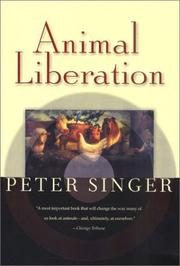
Animal Liberation is the 1975 book that named speciesism and made factory farming a mainstream moral question. The core move is simple: if the capacity to suffer is what grounds moral consideration, then species membership by itself cannot justify discounting suffering. The book combines that argument with detailed reporting on farming and laboratory practice.
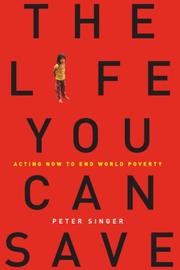
The life you can save applies the same structure to global poverty, built around the drowning-child case: if you would ruin an expensive pair of shoes to save a child in front of you, distance alone does not explain why a preventable death elsewhere obliges you less. It is short, and it is the book most likely to change what a reader actually does.
The systematic philosophy
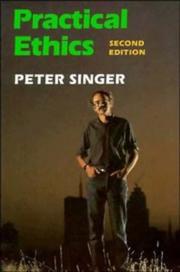
Practical ethics is the textbook and the place where the whole apparatus is laid out — preference utilitarianism, the treatment of persons and non-persons, and the chapters on abortion, euthanasia and disability that have made Singer the target of sustained protest, including from disability rights organisations who argue his account of personhood devalues disabled lives. Those objections are substantive and worth reading alongside him rather than dismissing.
Writings on an Ethical Life is the anthology of the greatest hits and can substitute for Practical ethics if you want the range without the textbook framing. Read one or the other; together they overlap heavily.
Effective altruism and its critics
William MacAskill's Doing Good Better is the movement-building book — cost-effectiveness, counterfactual impact, and the case for choosing charities by evidence. Singer's own The Most Good You Can Do covers similar ground from inside the same commitments. Again, the two overlap; pick whichever framing you prefer. Both were written before the reputational damage effective altruism took in 2022, and neither anticipates it.
Then read the disagreement. Tom Regan's The case for animal rights argues for animal moral status on rights-based rather than utilitarian grounds, which matters because it reaches similar practical conclusions from incompatible premises. Martha Nussbaum's Justice for Animals makes the case from her capabilities approach and is explicitly critical of the utilitarian framing, arguing that reducing aggregate suffering misses what each creature is owed as the kind of being it is.
Close with The expanding circle, Singer's shortest and most speculative book, on whether moral progress consists in widening the boundary of who counts. It is the best statement of what he thinks the whole project amounts to.
If you want to see where the utilitarian argument came from, the Epicurus path covers an earlier attempt to build ethics on pleasure and pain. Follow the full path to keep the order.
Follow the full ordered path here: Peter Singer: The Books to Read First.
Ready to learn something deeply?
Build a reading path — free