The public memory of Martin Luther King Jr. has been compressed into a single afternoon in August 1963 and a handful of lines about children and character. Almost everything difficult has been edited out: the critique of gradualism, the campaign against poverty, the 1967 opposition to the Vietnam War that cost him allies and press coverage, and his repeated insistence that nonviolence was a strategy of confrontation rather than of patience.
Reading him in order restores that. Start with what he wrote himself, then move to the historians, and the flattened holiday version stops being available to you. The books below run roughly chronologically, which matters because King's thinking moved considerably between Montgomery in 1955 and Memphis in 1968.
King in his own words
Stride toward freedom is his account of the Montgomery bus boycott, written in 1958 while the events were fresh. It is also where he explains how Gandhi, Walter Rauschenbusch and the Black church tradition combined into a working method.
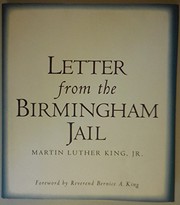
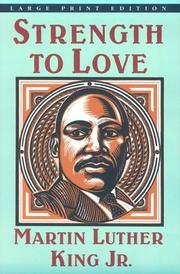
Letter from the Birmingham jail is the essential short text, written in the margins of a newspaper in response to white clergymen urging him to wait. Its target is not the segregationist but the moderate who prefers order to justice, and it remains the most rigorous thing he wrote at that length. Strength to love collects his sermons and shows the preacher rather than the strategist — the theological grounding for everything else.
The narrative history
Taylor Branch's trilogy is the spine of any serious reading on this subject. Parting the Waters covers 1954 to 1963 and won the Pulitzer Prize; Pillar of Fire takes 1963 to 1965, including Selma and the rise of Malcolm X; At Canaan's edge runs from 1965 to the assassination, and is the volume where the Chicago campaign, the Poor People's Campaign and the war opposition get their due. They are long. They are also the closest thing to a definitive narrative of the movement, with King at the centre rather than alone.
Juan Williams's Eyes on the prize, the companion to the documentary series, is the shorter and more visual alternative if the trilogy is more than you want. It is a good complement to Branch even if you read both, because it keeps organisers other than King in frame.
The later, harder King
Where Do We Go from Here: Chaos or Community? was his last book and the one most absent from public memory: a direct argument for economic restructuring, guaranteed income and an honest reckoning with Northern segregation. The radical King, edited by Cornel West, gathers the speeches and essays that support the same reading — the anti-militarist, anti-poverty King who was substantially less popular at his death than he had been three years earlier.
Angela Y. Davis's Freedom Is a Constant Struggle is not a book about King, and that is why it earns its place: it connects the movement's unfinished questions to contemporary organising and to abolitionist arguments King did not make, which sharpens what he did and did not claim.
Adam Fairclough's To redeem the soul of America closes the path with the institutional history of the Southern Christian Leadership Conference — the organisation, its finances, its internal disagreements and its strategic choices. It is the book that most effectively resists the great-man framing, which is a useful last word.
How much of the movement's success should be credited to King versus to local organisers and to grassroots networks remains genuinely disputed among historians; this path is arranged so you can see both cases. Follow the full reading path to keep the sequence.
Follow the full ordered path here: Martin Luther King Jr: A Reading Order That Holds Up.