Judaism is unusually hard to grasp from a single book because it is not primarily a set of beliefs — it is a practice, a people, a vast library, and a theology, all braided together. Ask ten Jews what Judaism "is" and you get ten emphases. Start in the wrong place, like the Talmud or Jewish mysticism, and you meet a tradition that assumes years of prior context.
The remedy is to move from the lived and practical toward the historical and the spiritual. Learn how Judaism is practiced, then how it developed, then how its deepest thinkers understood it.
Start with the lived practice
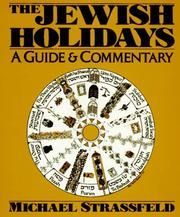
Begin with To be a Jew by Hayim Halevy Donin, a clear, practical guide to the rhythms of observant life — the calendar, the home, the commandments. Pair it with This is my God by Herman Wouk, a warm personal introduction from a great novelist that explains why any of it matters. Then Jewish Holidays by Michael Strassfeld walks the year through its festivals, the frame on which so much of Jewish life hangs.
Enter the library and the history
With the practice in view, meet the texts and the timeline. The essential Talmud by Adin Steinsaltz is the standard first door into the sprawling rabbinic conversation, and Pirke Avot, the "Ethics of the Fathers," gives you the tradition's most quoted moral teachings in a slim, readable volume. Then step back with A History of the Jewish people, which supplies the long arc — exile, diaspora, survival — that every other book presupposes.
Reach for the spiritual heart
Now the theology. The Sabbath by Abraham Joshua Heschel is a luminous meditation on holiness in time and one of the most beautiful religious books of the century. A code of Jewish ethics by Joseph Telushkin translates the tradition into a practical moral life, and Heschel's God in Search of Man offers a full philosophy of Judaism — how a modern person can encounter the sacred.
For the mystical and the existential, close with Major Trends in Jewish Mysticism by Gershom Scholem, the scholarly gateway to Kabbalah, and The lonely man of faith by Joseph Soloveitchik, a short masterpiece on the tension between the person who masters the world and the person who submits to God. This path aims to help you understand a living tradition respectfully, not to speak for anyone within it. Follow the full reading path or browse the subject hub.
Ready to learn something deeply?
Build a reading path — free