Most cat problems are actually human problems: we interpret a solitary ambush predator through the social logic of dogs and people, then call the cat spiteful when the litter box goes wrong. Cats are barely domesticated in evolutionary terms, and nearly everything baffling about them, the 3 a.m. sprints, the peed-on laundry, the bitten hand that was petting them seconds ago, makes sense once you understand the animal they actually are.
That is why this path starts with science rather than tips. Read the behavior lists first and you get rules without reasons, which fail the moment your cat improvises. Read the science first and the tips become obvious.
Stage 1: the animal you actually live with
Start with Cat Sense by John Bradshaw, an anthrozoologist's account of what research actually shows about how cats perceive, learn, and form attachments. It is the single best corrective to dog-shaped thinking, and it explains why cats are still, cognitively, wild hunters who happen to tolerate us. For the wider story, The Lion in the Living Room by Abigail Tucker traces how cats conquered the world despite being, by domestication standards, barely changed; it is great journalism and it sets realistic expectations. The Inner Life of Cats by Thomas McNamee adds a warmer, more personal synthesis of the science.
Stage 2: set up the home, then solve problems
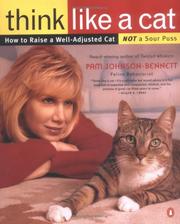
Now practice. Think Like a Cat by Pam Johnson-Bennett, from the leading cat behavior consultant, is the practical bible: litter box logic, scratching, play therapy, and environment setup, all grounded in reading situations from the cat's point of view. Follow it with Total Cat Mojo by Jackson Galaxy, whose central idea, building confidence through territory and hunt-catch-kill-eat play routines, transforms fearful and destructive cats. The two overlap enough to reinforce each other and differ enough to give you options.
For a clinical second opinion, Decoding Your Cat, written by the American College of Veterinary Behaviorists, is the evidence-based reference on genuine behavior problems, and it is clear about when a "behavior" issue is actually a medical one. Sudden litter box changes, for instance, warrant a vet visit before a training plan.
Stage 3: the advanced classes
Yes, cats are trainable. The Trainable Cat by John Bradshaw and Sarah Ellis applies clicker-style positive reinforcement to genuinely useful skills: carrier tolerance, vet visits, pill-taking, even coming when called. Training a cat is mostly about arranging the environment so the cat chooses correctly, and it deepens the relationship measurably. And if you have more than one cat, or plan to, Cat vs. Cat by Pam Johnson-Bennett is essential: multi-cat tension is the most common and most misread source of household problems, and her introduction and re-introduction protocols are the standard.
How to actually study this
Study your actual cat alongside the books. Keep a one-line log for two weeks: where the cat sleeps, when it plays, what precedes any unwanted behavior. Patterns will emerge that the books will then explain. Implement one environmental change at a time, a taller perch, a second litter box, a daily play session, so you can tell what worked. And rule out medical causes first for any sudden change; that is the one rule every author on this path repeats.
The full reading path stages all nine books with study plans. Related paths live at the cats hub, or browse Discover.