Weather is the one science that touches you every single day and still feels like magic. You can watch a sky darken and have no idea whether it means rain in ten minutes or nothing at all. The gap between experiencing weather and understanding it is enormous — and it closes faster than you would expect, if you read in the right order.
The mistake is opening a university textbook first. Atmospheric physics is genuinely hard, and starting there makes weather feel like equations rather than sky. Start instead by learning to look up.
Learn to see the sky
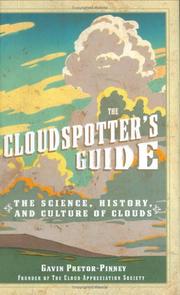
Begin with The Cloudspotter's Guide by Gavin Pretor-Pinney — a witty, affectionate field guide that teaches you to name what you see and read clouds as evidence of what the atmosphere is doing. It is the gateway drug of meteorology. Then move to The Weather Observer's Handbook by Stephen Burt, which turns casual sky-watching into real observation: pressure, humidity, wind, and how to measure them well.
Build the physics
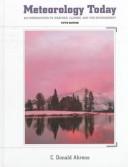
Now go for the mechanism. Meteorology Today by C. Donald Ahrens is the standard, approachable survey of how the whole system works — fronts, pressure systems, precipitation — written for beginners, not specialists. Pair it with The Atmosphere by Frederick K. Lutgens for a complementary, well-illustrated treatment of the same fundamentals; between the two, the concepts click.
Chase the extremes
With the basics in hand, turn to the dramatic end. Severe and Hazardous Weather by Robert Rauber explains tornadoes, hurricanes, and thunderstorms as physics rather than spectacle — why they form, where, and when. Then close with Storm Chaser by Jim Reed, which puts you in the field with the people who drive toward the very storms the textbooks describe, grounding everything you have learned in real, dangerous sky.
How to actually study this
Weather is best learned live. Every day, before you check a forecast, look up and predict: what clouds, what pressure trend, what comes next? Then check yourself against a real forecast and against what actually happens. Keep a simple log for a month. That feedback loop — observe, predict, verify — is how forecasters are made, and it turns reading into skill faster than any amount of highlighting.
Follow the full reading path to read these in order, dig into the weather hub, or head to Discover to connect weather with oceans and climate.
Ready to learn something deeply?
Build a reading path — free