Taxes are the single largest expense in most people's lives, and almost no one is ever taught how they work. The tax code is written to be navigated, not memorized, but the vocabulary alone — deductions, credits, brackets, basis, deferral — keeps beginners out. The good news: you do not need to become an accountant to stop overpaying. You need the concepts in the right order.
Understand your taxes: a reading path to keep more
July 12, 2026 · 2 min read
Why order matters here
Tax knowledge is layered. Strategy books assume you already understand how a bracket works and why a deduction is worth less than a credit. Jump straight to an aggressive "pay zero taxes" book and you will either misapply it or get scared off. Start with your money habits and the mechanics, then graduate to strategy, and each book makes the next one usable.
A staged reading path
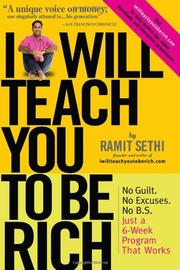
Begin by getting your financial house in order. The Total Money Makeover by Dave Ramsey and I Will Teach You to Be Rich by Ramit Sethi are not tax books, but they build the habits — cash flow, saving, automation — that make tax planning worth doing in the first place. Read one, not both, depending on whether you prefer discipline or systems.
Next, learn the actual mechanics with Taxes Made Simple by Mike Piper. It is short, plain-English, and explains brackets, deductions versus credits, and how a return fits together in an afternoon. This is the single most important stop on the path.
When you want a working reference for filing season, keep J. K. Lasser's Your Income Tax 2023 by the J.K. Lasser Institute nearby. You do not read it cover to cover; you look up your situation. It contributes the "what applies to me" detail that a primer intentionally skips.
Now you are ready for strategy. Lower Your Taxes - Big Time! by Sandy Botkin, written by a former IRS attorney, covers deductions for the self-employed and small-business owners. Tax-Free Wealth by Tom Wheelwright reframes the code as a set of incentives you can legally follow. If real estate is your angle, The Book on Tax Strategies for the Savvy Real Estate Investor by Amanda Han is the focused specialist read.
Finally, think long-term. The Power of Zero by David McKnight makes the case for planning which "tax bucket" your retirement income comes from, and The Little Book of Common Sense Investing by John C. Bogle grounds you in low-cost, tax-efficient investing so the money you keep actually compounds.
How to actually learn this
Read with your own return open. After the primer, pull last year's filing and trace each line to a concept you just learned — this turns abstract ideas into your numbers. Before applying any strategy, confirm it against a current-year source (the code changes yearly) and, for anything material, run it past a CPA. Books build your judgment and your questions; they are not a substitute for professional advice on a complex situation.
Read the honest way and you will stop treating April as a mystery. Follow the full reading path, explore the taxes subject hub, or browse more money and business paths.
FAQ
- Can I learn taxes without an accounting background?
- Yes. Start with a plain-English primer like Taxes Made Simple, which explains brackets, deductions, and credits without jargon. You can build real competence in a few focused books.
- What is the difference between a deduction and a credit?
- A deduction reduces the income you are taxed on; a credit reduces the tax itself, dollar for dollar. Credits are usually more valuable, and the primers on this path explain when each applies.
Get the books
- 1The total money makeoverAmazon ↗Dave Ramsey
- 2I will teach you to be richAmazon ↗Ramit Sethi
- 3Taxes made simpleAmazon ↗Mike Piper
- 4J. K. Lasser's Your Income Tax 2023Amazon ↗J.K. Lasser Institute
- 5The Little Book of Common Sense InvestingAmazon ↗John C. Bogle
- 6Retire Before Mom and DadAmazon ↗Rob Berger
As an Amazon Associate we earn from qualifying purchases. Some book links are affiliate links; you pay the same price and we may earn a small commission.
Follow the full reading path


Understand your taxes: keep more of what you earn
Beginner10books48 hrs5 stages
@worksherpa♥ 0
Ready to learn something deeply?
Build a reading path — free