Most people hate networking because they picture the transactional version: collecting business cards, asking for favors, performing enthusiasm you do not feel. The good news is that the version that actually works is the opposite — it is built on generosity and genuine relationships — and it can be learned from books, then practiced into a habit.
Order matters here because networking rests on a mindset shift first and tactics second. Learn the tactics without the mindset and you get the ick. Learn the mindset first and the tactics feel natural.
Fix the mindset
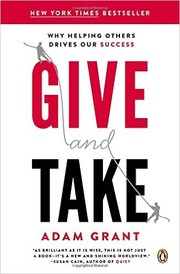
Start with Never Eat Alone by Keith Ferrazzi, the book that reframed networking as building real, generous relationships over years rather than working a room for one night. Then read Give and Take by Adam Grant, whose research shows that "givers" — people who help without keeping score — build the most valuable networks over time. Together these two rewire what networking even means.
Get the interpersonal fundamentals
With the right frame set, add the people skills that make connection easy. How to Win Friends and Influence People by Dale Carnegie is the timeless foundation: be genuinely interested in others. The Like Switch by Jack Schafer gives you concrete techniques for building rapport and trust quickly, and How to Talk to Anyone by Leil Lowndes is a grab-bag of specific conversational moves for the moments that intimidate most people.
Learn how networks actually grow
Now go up a level to the structure of networks. Superconnector by Scott Gerber argues the future belongs to people who connect others rather than collect contacts, and The Tipping Point by Malcolm Gladwell explains how ideas and relationships spread through connectors, mavens, and salespeople — useful for understanding where you sit in a network.
Put it to work
Finally, apply it. Promote yourself by Dan Schawbel covers building a reputation and personal brand so opportunities come to you. And when you need results fast, The 2-hour job search by Steve Dalton is a disciplined, tactical system for turning your network into interviews — the most actionable book on the list.
How to actually build a network
Networking is a relationship skill, and relationships need reps, not theory. Reach out to one person a week with no ask — a note, a useful article, a genuine question. Follow up. Help before you need help. Keep a simple list of people you want to stay in touch with and actually stay in touch. The network you will value in five years is being built by the small, low-pressure gestures you make now.
Follow the full reading path, explore the networking hub, or head to Discover for related paths on charisma and career change.
Ready to learn something deeply?
Build a reading path — free