Consciousness is the one problem where the smartest people alive openly disagree about whether we are even close to an answer. Why should three pounds of electrified fat produce the taste of coffee, the redness of red, the felt sense of being you? This is the "hard problem," and the literature is a genuine battlefield of brilliant, incompatible theories. That is exactly why order matters: read one camp's book in isolation and you will mistake a position for the consensus. You need the map before the territory.
The consciousness problem: a mind and brain reading path
July 12, 2026 · 2 min read
Start with the brain
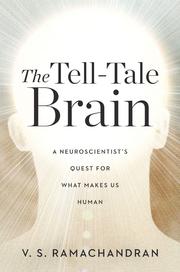
Begin with The Tell-Tale Brain by V. S. Ramachandran, which uses strange neurological cases — phantom limbs, synesthesia — to show how much of the self is built by the brain. It grounds the abstract question in real tissue and makes the mystery vivid rather than merely verbal.
Name the hard problem
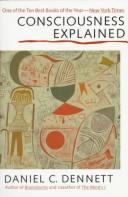
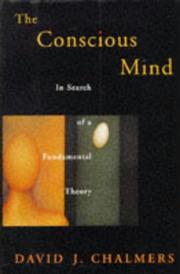
Now get the philosophical stakes straight. The Conscious Mind by David Chalmers is the book that sharpened "the hard problem" and argued that no amount of brain science obviously explains experience itself. Read it against Consciousness Explained by Daniel Dennett, who argues the opposite — that the hard problem is a kind of illusion once you understand how the brain builds the story of a self. Reading these two back to back is the single best way to feel the real disagreement.
The science of experience
With the poles marked, add the working scientists. The Feeling of What Happens by Antonio Damasio ties consciousness to emotion and the body, and Consciousness and the Brain by Stanislas Dehaene reports what experiments actually reveal about when and how the brain becomes aware. These are the empirical middle ground between the philosophers.
The stranger theories
Finish with the books that stretch your intuitions. The Ego Tunnel by Thomas Metzinger argues the self is a model with no one home; The Case Against Reality by Donald Hoffman argues evolution hid true reality from us entirely; Galileo's Error by Philip Goff makes the serious case for panpsychism. And Other Minds by Peter Godfrey-Smith uses the octopus to ask how consciousness could arise on a totally separate branch of life. You do not have to buy any of them — the point is to see how wide the live options are.
How to actually read this
- Read Chalmers and Dennett as a pair, deliberately. The whole field organizes around their disagreement.
- Keep a card mapping each author onto a camp: illusionist, dualist, panpsychist, neuroscientific. Placing them is most of the understanding.
- Notice which questions are empirical and which are conceptual. Confusing the two is the classic mistake this subject punishes.
For the full staged sequence with study plans, follow the full reading path or start at the consciousness subject hub. The existential side of the same question waits in the existentialism path.
FAQ
- What is the hard problem of consciousness?
- It is the question of why physical brain processes are accompanied by subjective experience at all. David Chalmers's The Conscious Mind is the book that named and sharpened it.
- What is the best book to start with on consciousness?
- The Tell-Tale Brain by V. S. Ramachandran is a great entry point because it grounds the abstract question in real, strange neurological cases before you meet the competing theories.
Get the books
- 1The Tell-Tale BrainAmazon ↗V. S. Ramachandran (neurology)
- 2Consciousness explainedAmazon ↗Daniel C. Dennett
- 3The Conscious MindAmazon ↗David J. Chalmers
- 4The Feeling of What HappensAmazon ↗Antonio R. Damasio
- 5The Case Against RealityAmazon ↗Donald Hoffman
- 6Being No OneAmazon ↗Thomas Metzinger
As an Amazon Associate we earn from qualifying purchases. Some book links are affiliate links; you pay the same price and we may earn a small commission.
Follow the full reading path
The consciousness problem: mind, brain & mystery
Beginner11books93 hrs5 stages
Ready to learn something deeply?
Build a reading path — free