Existentialism is the rare philosophy people feel before they understand it — the vertigo of freedom, the search for meaning in an indifferent universe, the weight of choosing who to be. That emotional pull is why it draws so many readers and why so many bounce off it: they open Being and Nothingness first, hit a wall of jargon, and conclude philosophy is not for them. The fix is order. You want the story and the map before the mountain.
Where to start with existentialism: a reading path
July 12, 2026 · 2 min read
Start with the people
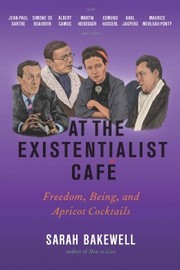
Begin with At the Existentialist Café by Sarah Bakewell. It braids the ideas into the lives of the people who lived them — Sartre, de Beauvoir, Camus, Heidegger — so that abstract concepts arrive attached to real cafés, affairs, and wars. It is the most humane on-ramp there is. Pair it with Existentialism by Thomas Flynn, a short, clear scholarly overview that gives you the concepts as a system.
Meet the forefathers
Existentialism has two nineteenth-century fathers. Either/Or by Søren Kierkegaard poses the founding question of how to live — the aesthetic life versus the ethical — from a Christian angle. Thus Spoke Zarathustra by Friedrich Nietzsche answers from the opposite direction: God is dead, so create your own values. Read them as a debate, not a curriculum.
The core: Sartre, Camus, Beauvoir
Now the twentieth-century heart. Start gently with Existentialism Is a Humanism by Jean-Paul Sartre, his own short public lecture defending the philosophy — the best plain-language statement of "existence precedes essence." Then read Camus: The Myth of Sisyphus and Other Essays confronts the absurd and asks why, given meaninglessness, we should not just give up. And The Ethics of Ambiguity by Simone de Beauvoir builds the moral philosophy the others often skip — freedom as responsibility to others.
The summit
Only now attempt the hard primary texts. Being and Nothingness by Sartre is the systematic version of everything the lecture gestured at; Being and Time by Martin Heidegger is deeper still and genuinely difficult. Read these last, slowly, with a guide open beside you — and do not be discouraged if you take them in pieces.
How to actually read this
- Do not start at the summit. Bakewell and Flynn first, primary texts last, is the whole trick.
- Keep a glossary card: absurd, bad faith, authenticity, being-for-itself. These words carry the weight, and pinning them down early pays off constantly.
- Read a little fiction alongside the philosophy — The Stranger by Camus dramatizes the ideas better than any argument.
For the full staged sequence with study plans, follow the full reading path or start at the existentialism subject hub. The mind-and-meaning thread continues in the consciousness path.
FAQ
- What is the best book to start with for existentialism?
- At the Existentialist Café by Sarah Bakewell — it introduces the ideas through the lives of the philosophers, making the concepts vivid before you tackle the primary texts.
- Should I read Being and Nothingness first?
- No. Being and Nothingness and Heidegger's Being and Time are the summit, not the base camp. Read them last, after the overviews and the shorter primary works.
Get the books
- 1At the Existentialist CaféAmazon ↗Sarah Bakewell
- 2ExistentialismAmazon ↗Thomas Flynn
- 3Either/OrAmazon ↗Søren Kierkegaard
- 4Thus Spoke ZarathustraAmazon ↗Friedrich Nietzsche
- 5Existentialism Is a HumanismAmazon ↗Jean-Paul Sartre
- 6NAUSEA, LAAmazon ↗Jean-Paul Sartre
As an Amazon Associate we earn from qualifying purchases. Some book links are affiliate links; you pay the same price and we may earn a small commission.
Follow the full reading path


Existentialism: a reading path that makes sense
Beginner11books75 hrs5 stages
Ready to learn something deeply?
Build a reading path — free