Modern Turkish literature is organised around a rupture. The republic founded in 1923 changed the alphabet, the script, the calendar, the dress code, and the relationship between religion and state within a generation. Writers born on either side of that line inherited different pasts, and the fiction keeps returning to the seam: what was discarded, what was gained, and what it costs to be modern on someone else's schedule.
That is why order helps here more than in most national literatures. Start with the rural epic that made Turkish fiction internationally visible, move to the writers who took the rupture as their subject, and end with contemporary novelists writing about memory, the city, and what the country still argues about.
Begin in the countryside
Memed, my hawk by Yaşar Kemal is the place to start. Set in the Çukurova plain, it follows a young villager who flees a brutal landlord and becomes a bandit, and it works as both a propulsive story and an account of Anatolian land relations. Kemal writes landscape as well as anyone in the language, and the novel remains the most widely read Turkish book abroad. It is also the least demanding entry point in this path.
The novelist of the rupture
Then Ahmet Hamdi Tanpınar, who is the essential Turkish writer for exactly the tension described above. The time regulation institute is his satire on modernisation: a bureaucratic institute is founded to synchronise the nation's clocks, and the absurdity accumulates into a serious argument about imported efficiency and inherited ways of living. It is funny, digressive, and the more approachable of his two novels here.
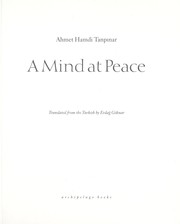
A mind at peace is the other, and it is a different experience: slow, lyrical, set in Istanbul on the eve of the Second World War, structured around music, love, and the pull of the Ottoman past. Read it second. If you find Tanpınar heavy going, take the satire and leave the second novel for later rather than abandoning him entirely.
Sinekli Bakkal, or the Clown and His Daughter, Part II by Halide Edib Adıvar takes you back to the late Ottoman period. Halide Edib was a novelist, nationalist, and one of the major public women of the era, and the book is set in an old Istanbul neighbourhood where Westernising and traditional worlds are pressed against each other. It is a period piece in the best sense: written close to the world it describes.
Istanbul and the contemporary novel
Orhan Pamuk is the writer most readers arrive for, and he lands better with the earlier books behind you. Snow takes place in the eastern city of Kars during a snowstorm, threading together political Islam, secularism, a suicide epidemic among young women, and a poet who has returned from exile. It is his most directly political novel and it will be read differently depending on your sympathies.
Istanbul is the memoir, and it may be the best single book here for understanding the emotional register of the whole tradition. Pamuk builds it around hüzün, a communal melancholy he attributes to living among the ruins of a vanished empire. Read it and the earlier novels retroactively make more sense.
Finish with two contrasting contemporary works. Motherland Hotel by Yusuf Atılgan is a short, claustrophobic psychological novel about a hotel clerk in a provincial town, closer to European modernism than to village realism. The Bastard of Istanbul by Elif Şafak follows two families, Turkish and Armenian-American, and engages directly with the Armenian question; Şafak was prosecuted over the book, which tells you how live that subject remains.
Read the full path and you will have the countryside, the rupture, the city, and the arguments still running.
Follow the full ordered path here: Best Turkish Literature to Read, in Order.