Track and field looks simple — run, jump, throw — and is quietly one of the most scientific sports there is. Progress is measured in hundredths of a second and centimeters, and it comes from training principles most recreational athletes never learn: how the body produces speed, how to periodize a season, how to build power without breaking down. Train by feel and you plateau; train by understanding and you keep improving.
That is why order helps. You want inspiration and the big picture first, then the practical training frameworks for running, then the deep science of speed, power, and periodization that elite coaching rests on. Starting with dense training theory before you care about the sport is a slog; starting with the human story pulls you in.
Fall in love with the sport
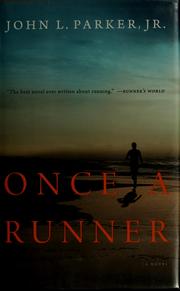
Start with Once a runner by John L. Parker Jr., the novel that captures the obsession and discipline of the track better than any manual, and Story of the Human Body by Daniel Lieberman, which explains why humans are built to run and move. Together they give you the why that sustains the work.
Learn to train
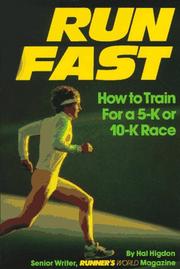
Now get practical. Run Fast by Hal Higdon and The Science of the Sprint by Steve Horgan cover the two ends of the sport — speed and distance — in accessible terms. Winning Running by Peter Coe brings a legendary coach's framework, and Daniels' running formula by Jack Daniels is the modern classic on training paces and workload that distance runners live by. Running with the Buffaloes by Chris Lear shows what a season of committed training actually looks like from the inside. USA Track and Field Coaching Manual by Clinton Ford broadens you across every event.
Go deep on the science
For the serious athlete or coach, go to the source. Jumping into plyometrics by Donald Chu teaches the explosive power training behind sprints and jumps. Supertraining by Mel Siff is the encyclopedic reference on strength and speed development — dense, authoritative, and foundational. The Charlie Francis Training System distills one of history's most influential sprint coaches into practical periodization. These are the deep end, and they mean the most once the earlier books have given you context.
Follow this order and you move from loving the sport to understanding exactly how speed and endurance are built. Read the full reading path in sequence, apply it gradually, and work with a coach for technical events and heavy training. Books teach principles; coaching and smart progression keep you healthy while you apply them.
Follow the full reading path →
Ready to learn something deeply?
Build a reading path — free