Gymnastics is the most unforgiving strength discipline because the sport asks your body to do things it will refuse until you have earned them. A clean handstand, a lever, a controlled skill on any apparatus all sit on top of mobility and connective-tissue strength that take patient months to build. Rush the progression and you get injured; there is no shortcut past prepared joints and stabilized positions.
That is exactly why the reading order matters here more than in almost any subject. You prepare the body first, build general bodyweight strength second, learn the sport's skills and coaching third, and only then follow the true progression bibles that map the long road to advanced elements. Read it out of order and you will attempt skills your tendons are not ready for.
Prepare the body
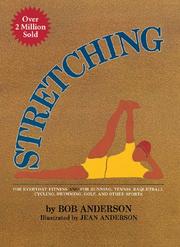
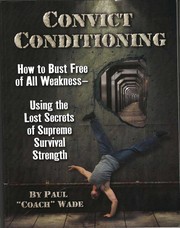
Start with Stretching by Bob Anderson, the classic on mobility and flexibility — the foundation for every position gymnastics demands. Then Convict conditioning by Paul Wade builds general bodyweight strength through slow, joint-friendly progressions, teaching you to earn each step. This preparation stage is the one beginners skip and later regret.
Learn the sport and its skills
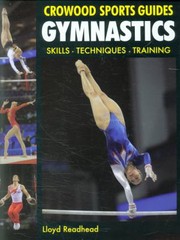
With a base built, learn the discipline itself. Gymnastics Skills Techniques Training by Lloyd Readhead is an excellent illustrated overview of the events and core skills. The Young Gymnast introduces the fundamentals accessibly, and Acrobatics by Mark Bouchard opens up tumbling and balance work. For structure and safety, Coaching Youth Gymnastics from USA Gymnastics and Competitive gymnastics by Nik Stuart teach how skills are progressed and spotted properly, while The gymnastics book by Elfi Schlegel rounds out the sport's context and culture.
Follow the true progression
Now the deep, serious training. Building the gymnastic body by Christopher Sommer is the definitive program for adult gymnastic strength — foundational series, mobility, and the long ladder to advanced positions, done in the correct order. Pair it with Overcoming Gravity by Steven Low, the encyclopedic reference on bodyweight progressions, programming, and injury management. These two are the maps; the earlier books prepare you to read them safely.
Follow this order and you will build the strength and mobility a body needs before it attempts real skills. Read the full reading path in sequence, progress patiently, and work with a coach for anything requiring a spot. Books guide training, but they do not replace qualified coaching for advanced or high-risk skills.
Follow the full reading path →
Ready to learn something deeply?
Build a reading path — free