Skiing is a balance sport that beginners mistake for a courage sport. The people who look effortless on a black run are not braver — they have better fundamentals: a centered stance, edge control, and turns that shed speed instead of building panic. Attack steep terrain before those basics are automatic and you learn fear-driven habits that are hard to unlearn. And unlike most sports, skiing has a genuine safety dimension the moment you leave groomed runs.
Read in order and the progression is natural: technique and the mental side first, then refined carving and expert movement, then racing precision, and finally the backcountry knowledge you must have before venturing out of bounds. That last stage is not optional reading if you plan to ski off-piste.
Learn to turn, and to relax
Start with Skiing: The Mind Game by Margie Goldenberg, because the biggest early obstacle is tension, and relaxed skiing is better skiing. Pair it with The Complete Skier by Bill Lund for a solid technical foundation, and Ski in 6 Days by Emo Henrichs, a structured beginner progression that gets you making real turns quickly.
Refine your technique
With turns established, get precise. The PSIA Alpine Technical Manual is the instructors' reference — the authoritative model of how good skiing actually works. Anyone can be an expert skier and Harald Harb's essentials of skiing, both by Harald Harb, teach a modern, edge-and-balance approach that fast-tracks intermediate skiers toward carving. The Skiing Body, The Skiing Mind by Nicola Minichiello ties the physical and mental sides together for the improving skier.
Race and go beyond the resort
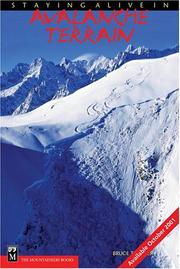
Now push the edges. Ski Racing: Secrets of the Champions by Warren Witherell sharpens carving and dynamic movement to a competitive standard, and the precision transfers to all-mountain skiing. Then, before you ever leave the groomers, read Staying Alive in Avalanche Terrain by Bruce Tremper — the essential, potentially life-saving primer on avalanche awareness and decision-making. Backcountry travel is a serious undertaking, and this book is a starting point for the education and training it requires, not a substitute for it.
Follow this order and you build sound, relaxed technique before speed and steepness, and knowledge before risk. Read the full reading path in sequence, take lessons on snow, and get formal avalanche training before any backcountry travel. Books support instruction and safety courses; they do not replace them.
Follow the full reading path →
Ready to learn something deeply?
Build a reading path — free