Restoring old tools is really three skills stacked on top of each other: knowing what you have, making it clean and sound again, and getting the cutting edge genuinely sharp. Skip the identification step and you may lovingly restore a tool that was junk when it was new; skip sharpening and even a perfect restoration cuts like a butter knife.
Reading in order matters because rust removal is the easy part. The judgment — is this pitting cosmetic or fatal, is this plane worth the effort — comes from context these books build slowly.
Understand tools and metal first
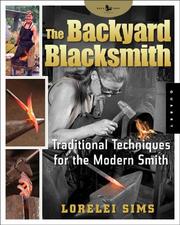
Start with The backyard blacksmith, Lorelei Sims's approachable introduction to working metal. Even if you never light a forge, understanding how steel behaves demystifies why old tools were made the way they were and how heat and hardness relate to a good edge.
Then ground yourself in Hand Tool Essentials and Good Work, Roy Underhill's celebration of traditional hand craft. These teach what each tool is for, so restoration has a purpose beyond making a shelf ornament.
Identify and judge old planes
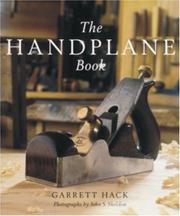
The heart of restoration is the hand plane. Antique and Collectible Stanley Planes is your identification bible — types, dates, and what a given tool should look like. The Handplane Book, Garrett Hack's beautifully illustrated survey, then explains how planes work and how a restored one should behave in the hand.
Master the edge
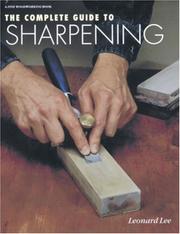
Nothing matters more than sharpening. The complete guide to sharpening, Leonard Lee's rigorous treatment, explains the geometry and the abrasives; Sharpening by Jim Kingshott gives the traditional craftsman's hands-on method. Read both — they reinforce each other.
Put restored tools to work
Finally, use the tools. Woodworking with Hand Tools and Felling, Bucking and Limbing apply your restored kit to real projects, from bench joinery to felling with an axe and saw. A Museum of Early American Tools, Eric Sloane's classic, and The toolbox book close the path by connecting the objects to their history and to the chest that holds them.
Follow the full path for the stage-by-stage plan.
Follow the full reading path →
Ready to learn something deeply?
Build a reading path — free