Storing food well is a systems problem, not a single technique. A root cellar, a canning shelf, and a drying rack each solve a different piece of the same puzzle: how to move a summer's abundance across a whole year without waste. Read the wrong book first and you get a pile of disconnected recipes; read them in order and each one hands off to the next.
The trick is starting with the why before the how. Understanding the rhythm of a harvest year, and which foods want cold-and-humid versus cool-and-dry versus sealed-and-sterile, makes every later technique feel obvious instead of arbitrary.
Start with the mindset
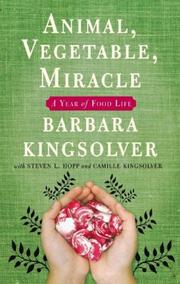
Begin with Animal, Vegetable, Miracle, Barbara Kingsolver's year of eating locally. It is not a how-to, but it reframes storage as a seasonal habit rather than an emergency measure, which is exactly the outlook the rest of the path builds on.
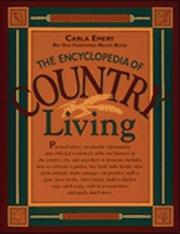
Then reach for the reference that anchors any homestead library: The encyclopedia of country living. Carla Emery's sprawling manual touches storage, gardening, and preservation all at once, so it serves as the map you return to as the specifics get deeper.
Learn the core preservation methods
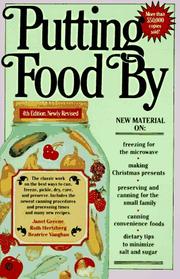
Putting Food By is the workhorse here — the classic on canning, freezing, and general preserving, careful about safety in a way beginners need. Pair it with The art of fermentation, Sandor Katz's deep dive into a method that needs no electricity and actually improves food as it stores.
Now go underground with Root cellaring, Mike and Nancy Bubel's definitive book on cold storage: which crops keep, at what temperature and humidity, and how to build the space. Preserving Food without Freezing or Canning rounds out the low-tech toolkit with European cellar-and-larder traditions for oil, salt, sand, and vinegar.
Grow toward year-round supply
Storage works best when the garden is planned for it. Storey's Guide to Growing Organic Vegetables & Herbs for Market and The Winter Harvest Handbook — Eliot Coleman's manual on cold-season growing — connect what you store to what you plant, so the cellar is stocked with keepers by design.
Close with Independence days, Sharon Astyk's practical, values-driven guide to building real food security one season at a time. It ties the whole path back to that opening mindset: storing food as an ongoing practice, not a one-time stockpile.
Follow the full path to see each book placed in its stage with a short study plan.
Follow the full reading path →
Ready to learn something deeply?
Build a reading path — free