A septic system is invisible until it fails, and by then the repair is expensive. Understanding how yours works is the cheapest insurance you can buy, which is why this reading order starts with the fundamentals, moves to homeowner maintenance and troubleshooting, then to the design and soil science behind the system, and finally to off-grid and alternative sanitation.
Learn the basics first and you avoid the habits that kill septic systems early. Then the design and alternative chapters make sense as choices rather than mysteries.
Understand how it works
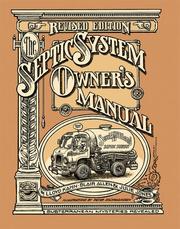
Start with Septic System Owner's Manual by Lloyd Kahn, the illustrated classic that demystifies how septic systems function, and Dare to Repair Your Septic System by Julie Sussman for confident, homeowner-level maintenance and troubleshooting. These two turn a mysterious buried tank into something you actually understand and can care for.
Design, soil, and the technical picture
Now go deeper into how systems are engineered. Onsite Wastewater Treatment Systems Manual by the U.S. EPA is the authoritative technical reference, and Residential Waste Water Treatment and Disposal Systems by Rex Cauldwell gives a builder's practical perspective. Because septic performance depends heavily on the ground it sits in, Soil science simplified by Helmut Kohnke explains the soil behavior that makes or breaks a drain field, and Small and decentralized wastewater management systems by Ronald W. Crites and Working with Onsite Wastewater Treatment Systems round out the engineering picture.
Off-grid and alternatives
Finish with alternatives for rural and off-grid living. Septic System Bible by John Wiley is a broad reference, The humanure handbook by Joseph C Jenkins makes the case for composting human waste safely, and The New Create an Oasis With Greywater by Art Ludwig covers reusing household greywater responsibly.
Septic work is regulated, and mistakes contaminate water supplies, so these books complement, not replace, licensed installers, inspectors, and your local health-department rules. Read the path in order, master maintenance first, and treat design and off-grid choices as decisions to make with a professional.
Follow the full reading path →
Ready to learn something deeply?
Build a reading path — free