The Thirty Years War is notoriously hard to hold in the mind: shifting alliances, religious and dynastic motives, a dozen major players, and a Holy Roman Empire whose structure most readers have never learned. Approach it at random and it dissolves into a fog of names. Read it in order and it becomes one of the great tragic narratives of European history — and a case study in how wars start, spread, and finally end.
Begin with a readable narrative and the definitive modern history, then add the essential context, the leading figures, and the peace that closed it.
The narrative and the definitive account
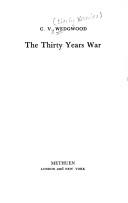
Start with Veronica Wedgwood's The Thirty Years War, a classic narrative that remains gripping, then Peter H. Wilson's Europe's Tragedy: A New History of the Thirty Years War, the fullest modern treatment. Wilson insists the war was as much about imperial politics as religion — a thesis that reframes everything.
Context that makes it make sense
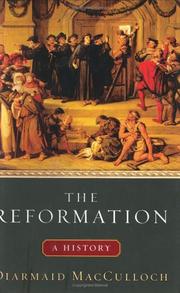
To understand the fuse, read Diarmaid MacCulloch's The Reformation for the religious rupture behind the conflict, and Wilson's The Holy Roman Empire to grasp the strange constitutional body at its center. Without these, the war's alliances look arbitrary.
The players and the peace
Meet the key figures: Geoff Mortimer's Wallenstein: A Life on the war's enigmatic general, and Michael Roberts's Gustavus Adolphus on the Swedish king who transformed it. For the war's own voices and interpretations, see Tryntje Helfferich's The Thirty Years' War documentary reader and Ronald Asch's The Thirty Years War: Europe's Tragedy. Finally, Klaus Malettke's 1648: War and Peace in Europe and Geoffrey Parker's War in a Time of Peace examine the settlement that ended it.
Follow the full reading path for study plans on each stage and verified editions, in order.
Follow the full reading path →
Ready to learn something deeply?
Build a reading path — free