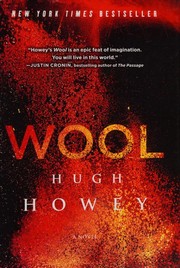
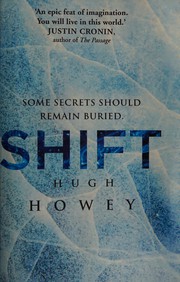
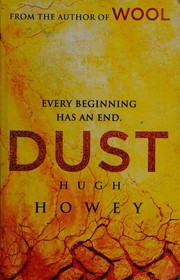
Start with Wool, and read the trilogy in publication order: Wool, then Shift, then Dust. The alternative is real and it is tempting — Shift is a prequel covering the two centuries before Wool, so a chronological reader would open with it — and it is the wrong choice by a wide margin.
Here is why, without spoiling anything. The entire engine of Wool is that nobody in the silo knows why it exists, why the outside is poison, or who decided any of it. You are meant to be exactly as ignorant as the people living in it, and the book is built to make you desperate for those answers over five hundred pages. Shift answers all of it outright, in order, from the beginning. Reading it first trades the best experience in the series for a tidier timeline, and the trade is not worth it. This is the single most useful thing an order guide can tell a new Silo reader.
Two practical corollaries. Avoid plot summaries and the jacket copy for the later books until you have finished Wool — the blurbs give away the premise of the prequel. The same goes for the television adaptation, which reorganises material.
Start here: Wool
544 pages, and probably less time than that suggests, because Wool reads very fast once past its first fifty pages. It began as five self-published novellas and is now sold as one novel; the seams are still visible, and the shifts of protagonist in the first two hundred pages are deliberate rather than clumsy. Stay with them.
The silo is a hundred and forty-four levels deep and the geography is the plot — climbing it takes days, and Howey uses vertical distance the way other writers use travel. Power sits with IT rather than with the mayor's office, and the reason for that is the question the whole series is built on. The central ritual is cleaning: the exiled are sent outside to wipe the sensors, and they always do, which nobody can explain. Curiosity itself is the capital crime, and that is the actual subject of the book.
One thing worth doing: write down your theory about the silo's origin at the halfway point, before the book confirms or denies anything. Comparing it afterwards is the most enjoyable thing this reading order makes possible, and it is exactly what reading Shift first destroys.
The prequel, then the ending
Shift and Dust, at 576 and 464 pages. Shift is the denser of the two and moves between multiple timeframes, so give it three weeks; Dust is faster and more conventionally plotted, and closes the story. Read them consecutively and in this order — publication order is also the order Howey structured the payoffs for.
Where to stop: after Dust. The trilogy is complete and resolved, and everything below is a separate proposition.
The rest of Howey
None of this is compulsory and it is uneven. Sand and Beacon 23 are the two worth prioritising — Sand is the closest in feel to the Silo books, a story of divers who swim through dunes over a buried world, and Beacon 23 is a claustrophobic short novel about the keeper of a deep-space lighthouse. Half Way Home is early and rough. Machine Learning is a collection to dip into rather than read straight through, and it includes Silo short fiction, so save it for last.
Read them in that order, which runs from most to least Silo-like, and feel free to stop at any point. The three novels are the reason anyone is here.
More series reading orders are on Discover.
Follow the full ordered path here: Silo Reading Order: Publication or Chronological?.
Ready to learn something deeply?
Build a reading path — free