Understanding the science of cooking is the difference between following recipes and improvising with confidence. Once you know why a sear browns, why salt draws out water, and why an emulsion breaks, you can fix problems in real time and invent dishes that work the first try. This is knowledge that pays back every meal for the rest of your life.
Because the field spans chemistry, technique, and flavor theory, order matters a lot. Start with the definitive reference and the most practical applications, then move into flavor and creativity, and finish with the advanced and modernist frontier. Foundations before fireworks.
Build the foundation
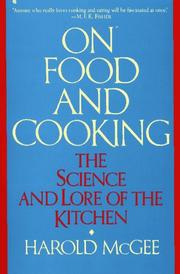
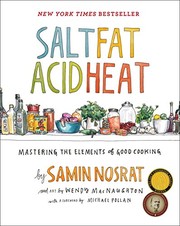
Begin with On food and cooking by Harold McGee, the encyclopedic classic that explains the chemistry behind nearly everything you do in a kitchen — it is the reference the whole field rests on. Then apply it with The Food Lab by J. Kenji López-Alt, which tests and explains everyday techniques so you see the science in action, and Salt, Fat, Acid, Heat by Samin Nosrat, which distills great cooking into four intuitive levers. This trio is the core.
Understand flavor
Now the creative layer. The flavor bible by Karen Page is the go-to reference for what pairs with what, turning improvisation into a guided craft, and Mouthfeel by Ole Mouritsen and Klavs Styrbaek explores texture — the underrated dimension of why food pleases us. This stage moves you from executing recipes to composing them.
Explore the frontier
Finally, push into the experimental. Cooking for Geeks by Jeff Potter is a playful bridge into hacking your kitchen with a scientist's mindset, The Science of Cooking by Peter Barham lays out the physics and chemistry rigorously, and The kitchen as laboratory by César Vega collects real culinary-science research. Cap it with Modernist cuisine at home by Nathan Myhrvold, the accessible gateway to the modernist techniques that redefined fine cooking. These reward a cook who already grasps the fundamentals.
Read in order and you will cook with understanding instead of faith. Follow the full science of cooking path for the staged study plan.
Follow the full reading path →
Ready to learn something deeply?
Build a reading path — free