Filipino cooking is having a well-deserved moment, and it is one of the most distinctive cuisines a home cook can learn — built on a bold balance of sour, salty, and savory that shows up in adobo, sinigang, and a hundred variations. The tricky part is that recipes vary wildly from family to family, so understanding the principles matters more than memorizing any one version.
The order here starts with the vibrant modern books that make the food approachable and exciting, then moves into the memory- and tradition-rich works that explain regional depth and history. Get inspired first, then go deep.
Start with the modern classics
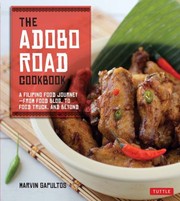
Open with I Am a Filipino by Nicole Ponseca and Miguel Trinidad, a landmark book that presents the cuisine with pride and clarity for a new audience. Pair it with The Adobo Road Cookbook by Marvin Gapultos, which is especially strong on the dish outsiders know best and the many forms it takes. Together they give you a confident, contemporary foothold.
Learn the traditions
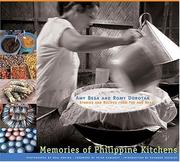
Now go deeper into memory and place. Memories of Philippine kitchens by Amy Besa and Romy Dorotan blends history, technique, and regional variation into the richest single reference on the shelf, and The new Filipino kitchen by Jacqueline Chio-Lauri gathers diaspora voices that show how the food travels and adapts. This is the core stage where the "why" behind the flavors comes clear.
Go to the source
Finish with the authoritative and regional works. Kulinarya, a Guidebook to Philippine Cuisine by Glenda Barretto and Neal Oshima is the standard reference on classic dishes and technique, and Sagip: Philippine Culinary Traditions by Claude Tayag preserves the older, place-specific cooking that anchors it all. These reward the reader who already knows the basics and wants the full picture.
Read in order and you will move from an exciting first adobo to real command of the cuisine. Follow the full Filipino cooking path for the staged study plan.
Follow the full reading path →
Ready to learn something deeply?
Build a reading path — free