North African cooking rewards understanding over recipe-following. Once you grasp how a spice base is built, how preserved lemon and olives cut richness, and why a tagine cooks low and slow, dozens of dishes open up. Come at it recipe-by-recipe without that framework and it feels like an endless list of unfamiliar steps.
The order here runs from approachable modern cookbooks that lower the barrier, into the authoritative classics that explain the why, and outward into the neighboring Levantine and Mediterranean cooking that shares its pantry. Start where the cooking feels doable, then deepen.
Start where it feels doable
Open with Mourad by Mourad Lahlou, a modern Moroccan-American chef's book that makes the flavors approachable without dumbing them down. From there, Ottolenghi simple by Yotam Ottolenghi builds confidence with the wider spice-and-vegetable vocabulary that North African food shares, in weeknight-friendly form.
Learn from the classics
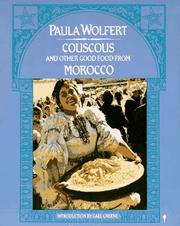
Now the definitive works. Couscous and Other Good Food from Morocco by Paula Wolfert is the landmark English-language text, and her later The food of Morocco is the deeper, more complete reference — together they teach the techniques and logic behind the region's cooking. The complete Middle East cookbook by Tess Mallos widens the lens to the broader region so you see North Africa in context. This is the core of the path; read it slowly.
Broaden the pantry
Finish by exploring the shared Levantine and Mediterranean table. Plenty More by Yotam Ottolenghi expands your vegetable technique, Zaitoun by Yasmin Khan brings Palestinian home cooking and its overlapping spices, and Falastin by Sami Tamimi and Tara Wigley deepens that further. These broaden your instincts for the whole spice-forward, produce-rich style.
Read in order and you go from following tagine recipes to cooking with real understanding. Follow the full Moroccan and North African cooking path for the staged study plan.
Follow the full reading path →
Ready to learn something deeply?
Build a reading path — free