Florence is a subject people usually enter through the art, and that is the one order that does not work. Begin with the paintings and the patrons become background figures who occasionally sign a cheque; begin with the family and the paintings become what they actually were — political objects, commissioned by specific men at specific moments for specific reasons.
The other thing to know before starting is that this subject has an argument at the bottom of it. The idea that the Renaissance was a rebirth, the birth of the individual, a break with the medieval world, is a nineteenth-century thesis that historians have been chipping away at ever since. The enjoyable books are near the front of this path; the serious argument is at the end, and it changes how the front reads.
The family
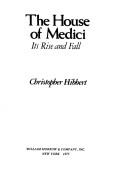
The House of Medici, its rise and fall is the standard popular introduction, published in some editions as The Rise and Fall of the House of Medici, and it covers three hundred years readably: Cosimo, Lorenzo, two Medici popes, the grand dukes. Start here for the cast.
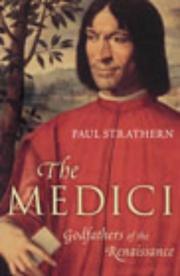
The Medici is the more recent narrative, organised around the artists and thinkers the family funded, from Brunelleschi through to Galileo. Read it second for the intellectual history that Hibbert treats more lightly.
The city
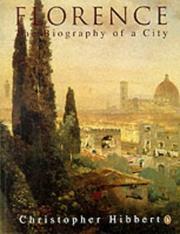
Florence is a biography of the place itself, from Roman foundation to the twentieth century, with the Renaissance at its centre. Read it after the family and the Medici arrangement suddenly looks as strange as it was — a republic of perhaps sixty thousand people, run through guilds, priors and factions, quietly managed for generations by men who mostly held no office.
The art they paid for
Brunelleschi's dome explains how the cathedral dome was raised without centering, by a goldsmith who refused to disclose his method. It is short, and it is the single best demonstration of what fifteenth-century Florence was technically capable of.
Lives of the Artists is the 1550 book that effectively invented art history, written by a painter who worked for Cosimo I and knew many of his subjects personally. It is also unreliable: Vasari repeats anecdotes he cannot have verified and shapes careers into moral arcs. Read a selection rather than the whole thing, and read it after King so you can hear him mythologising.
Conspiracy, exile and the friar
Magnifico treats Lorenzo de' Medici as a politician who also happened to be a patron, rather than the reverse. Read it first in this stage, because the next two books are both about crises he caused or survived.
April Blood reconstructs the 1478 Pazzi conspiracy — the murder in the cathedral, the papal involvement, the reprisals — and is the clearest window onto how violent Florentine factional life actually was.
Fire in the City covers Savonarola, from the Medici expulsion to the friar's execution in 1498, and is unusually fair to a figure normally handled as a simple fanatic. It shows the city rejecting nearly everything the earlier stages celebrate.
The Prince belongs last here. Machiavelli wrote it in 1513, having been dismissed and tortured when the Medici returned, and addressed it to a Medici. Read once you know the specific events he is generalising from and it becomes a noticeably different book.
What the Renaissance actually was
Rise and Decline of the Medici Bank, 1397-1494 is the technical foundation under all of it: ledgers, branches, papal accounts, double-entry bookkeeping, and the loans that were never coming back. Dry, and load-bearing.
The Civilization of the Renaissance in Italy is the 1860 thesis that created the modern idea of the period. Much of it has been dismantled by later scholarship, and it is still worth reading as the position everyone since has been arguing against. The Ugly Renaissance is the counter-case — violence, slavery, plague, misogyny, and where the money came from. Whether Burckhardt's picture survives in any form is a live dispute, and this path deliberately gives you both ends of it.
Follow the whole path and Florence stops being a museum and starts being a city.
Follow the full ordered path here: The Medici and Renaissance Florence: The Best Books to Read, in Order.