Chinese literature is one of the world's longest continuous traditions, and its later works constantly quote and rework the earlier ones. Reading in order matters here more than almost anywhere: the classical poetry sets images and values that the great novels assume, and the modern writers push against all of it. This path moves from ancient anthologies to twentieth-century masterpieces.
Much of the earliest work is poetry, so read it slowly and let the images accumulate. The novels reward that patience.
The classical foundation
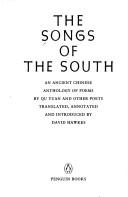
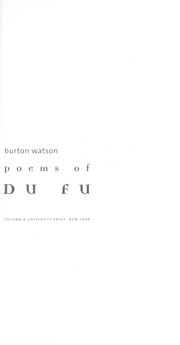
Start with The Book of Songs, the ancient anthology that is the root of the whole tradition. The songs of the south, gathered under Qu Yuan's name, adds a more mythic, shamanic voice, and The selected poems of Du Fu brings you the Tang dynasty poet many consider China's greatest, whose work fuses personal grief with the fate of a nation.
The great classic novels
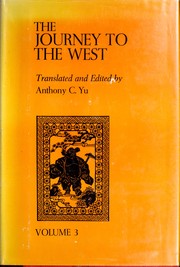
Next come the sprawling classic novels that every later Chinese reader knows. The journey to the west by Wu Cheng'en turns a pilgrimage into a wild, comic, allegorical adventure. The Dream of The Red Chamber is the towering family saga of the tradition, a subtle, tragic portrait of a declining aristocratic house that repays slow reading.
The modern turn
The twentieth century breaks with the classical world. Call To Arms by Lu Xun, sharp and disillusioned, launches modern Chinese fiction, and Camel Xiangzi by Lao She traces one rickshaw puller's ruin in a hard city. From there the modern masters arrive: Red Sorghum by Mo Yan and To live by Yu Hua render the century's upheavals through vivid, brutal, intimate stories, while Soul Mountain by Gao Xingjian, by a Nobel laureate, closes the arc with a searching, experimental journey.
Read this way, you feel the tradition talking to itself across millennia. Follow the full path to trace the whole conversation.
Follow the full reading path →
Ready to learn something deeply?
Build a reading path — free