Most people who bounce off the classics do so because they started in the wrong place — someone hands a nervous reader Ulysses or The Divine Comedy, they founder, and they conclude great literature is not for them. That is a tragedy of sequencing, not of taste. The classics span an enormous range of difficulty, from short, gripping novels anyone can enjoy in an afternoon to monumental works that reward years of rereading. Approached in order of accessibility, the canon becomes a staircase rather than a cliff. This path starts with masterpieces that are genuinely fun and builds, book by book, toward the summits.
The Literary Classics: Where to Begin and What to Read, in Order
July 14, 2026 · 2 min read
Start where the door is open
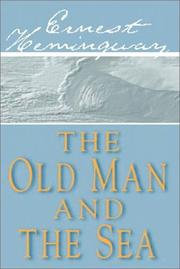
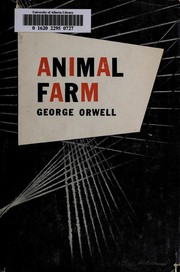
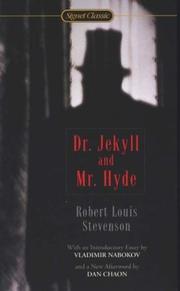
Begin with short, powerful, and immediately rewarding books. The Old Man and the Sea is Hemingway's spare, moving novella — a complete masterpiece you can read in a sitting. Animal Farm is Orwell's sharp, propulsive fable, effortless to read and impossible to forget. The Strange Case of Dr. Jekyll and Mr. Hyde delivers Stevenson's gripping, economical tale of the divided self. These prove that great does not mean grueling.
Build with the great novels
Now step up to full novels that are rich yet welcoming. Jane Eyre is Charlotte Brontë's passionate, page-turning story of conscience and independence. The Great Gatsby is Fitzgerald's shimmering, compact tragedy of the American dream. And Crime and Punishment, in Michael R. Katz's translation, gives you Dostoevsky's gripping psychological thriller of guilt — long, but far more readable than its reputation suggests. These teach you to sustain attention across a real novel.
Reach for the older heights
With momentum, turn to the ancient and Renaissance foundations. Sophocles, The Oedipus Cycle delivers Greek tragedy at its most powerful and, crucially, its most compact. Hamlet is Shakespeare's towering play of thought and delay, best read once you trust yourself. The Divine Comedy is Dante's vast poetic journey through the afterlife — demanding, but structured to guide you. Each asks more of you and gives more back.
The summits
Finally, the giants that reward a prepared reader. Anna Karenina, Tolstoy's expansive novel of love and society, is long but deeply humane and readable. One Hundred Years of Solitude, in Gregory Rabassa's celebrated translation, immerses you in García Márquez's magical, generational epic. And Ulysses, James Joyce's dazzling, difficult modernist masterpiece, is the mountaintop — approach it last, when you have the reading muscles the earlier books built.
That is the ascent — accessible masterpieces to the hardest summits — each stage preparing you for the next. Follow the full path in order and the classics stop being a wall and become a country you can travel.
FAQ
- Where should a beginner start with the classics?
- Start short and gripping, not with the hardest books. Novellas like The Old Man and the Sea and The Strange Case of Dr. Jekyll and Mr. Hyde build confidence before you tackle the giants of the canon.
- Do translations matter for classic literature?
- Very much. A good modern translation can make a difficult classic readable, which is why this path notes specific ones — such as Gregory Rabassa's One Hundred Years of Solitude and Michael R. Katz's Crime and Punishment.
Get the books
- 1The Old Man and the SeaAmazon ↗Ernest Hemingway
- 2Animal FarmAmazon ↗George Orwell
- 3The Strange Case of Dr. Jekyll and Mr. HydeAmazon ↗Robert Louis Stevenson
- 4Jane EyreAmazon ↗Charlotte Brontë
- 5The Great GatsbyAmazon ↗F. Scott Fitzgerald
- 6Crime and PunishmentAmazon ↗Michael R. Katz
As an Amazon Associate we earn from qualifying purchases. Some book links are affiliate links; you pay the same price and we may earn a small commission.
Follow the full reading path
The literary classics: where to begin and what to read, in order
Beginner12books81 hrs4 stages
@craftsherpa♥ 0
Ready to learn something deeply?
Build a reading path — free