For many outside readers, Korea's history begins and ends with the Korean War and the division that followed. But that framing skips over a civilization with two thousand years of dynasties, philosophy, and art, and it obscures the forces that produced the modern split. Reading in order restores the depth, so that the twentieth-century tragedy sits inside a much longer story.
The path moves from broad surveys and the premodern kingdoms, through the traumatic era of invasion and colonization, and into the war, division, and the two very different Koreas that resulted.
Surveys and the long past
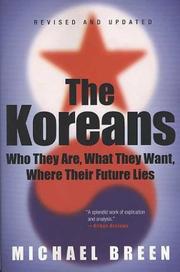
Begin with orientation. Korea by Park is a concise, modern survey of the whole sweep, and A history of Korea by Seth is the comprehensive one-volume narrative from ancient times forward. The Koreans by Breen offers a more journalistic, character-driven portrait that brings the culture to life. For the premodern drama, The Imjin War by Hawley tells the epic story of the Japanese invasions of the 1590s and the resistance that repelled them.
Colonization and its wounds
The modern trauma begins with Japanese rule. Korea's Place in the Sun by Cumings is the landmark modern history, ambitious and sometimes controversial, that reframes the whole twentieth century from a Korean perspective. Under the Black Umbrella by Kang gathers ordinary Koreans' memories of living under Japanese colonization, giving the period a human texture that statistics cannot.
War, division, and two Koreas
The war and its aftermath define the present. The Korean War by Hastings is a clear, authoritative military and political history, and The Coldest Winter by Halberstam is the gripping American-focused account of the conflict. For the aftermath, Nothing to envy by Demick is the unforgettable, humane portrait of ordinary lives inside North Korea, and The new Korea by Kim charts the South's astonishing transformation into a modern democracy and economic power.
Read in this order and Korea's past becomes a full, coherent history rather than a footnote to a war. Follow the full path to move from ancient kingdoms to the divided peninsula of today.
Follow the full reading path →
Ready to learn something deeply?
Build a reading path — free