Why did Rome fall? It is one of the oldest questions in history and still one of the most contested. Some scholars see catastrophe, others a slow transformation, and a few point to climate and plague. Reading the subject in order lets you hear those arguments in conversation instead of picking one and calling it settled.
The path starts with the strongest modern narratives, adds the classic and ancient voices, and ends with the revisionists who deny there was any fall at all. That arc turns a simple question into a rich debate.
The modern narratives
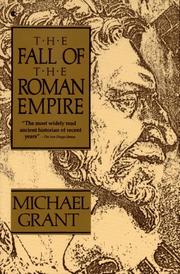
Begin with The Fall of the Roman Empire by Peter Heather, a compelling case that external pressure from the Huns and Goths broke the western empire. Pair it with The Fate of Rome by Kyle Harper, which brings climate change and pandemic disease into the story in ways older accounts missed. The fall of the Roman Empire by Michael Grant offers a clear, accessible survey of the internal weaknesses, giving you three distinct explanatory frames before you go deeper.
Barbarians and the classic account
The peoples on Rome's frontier deserve their own reading. Heather's Empires and Barbarians reframes the migrations as a long interaction rather than a sudden flood, and The Hun by Hyun Jin Kim puts the Huns at the center of the drama. For the founding voice of the whole tradition, the Abridgment of Mr. Gibbon's History of the Decline and Fall of the Roman Empire lets you meet Edward Gibbon's magisterial thesis in a manageable form.
The ancient witness and the revisionists
Hear the era in its own words through The later Roman Empire by Ammianus Marcellinus, the last great historian of Rome writing near the events. Then weigh the modern argument over whether anything really collapsed: Fall of Rome by Bryan Ward-Perkins insists the end of empire was a genuine catastrophe with a real drop in living standards, while The Inheritance of Rome by Chris Wickham emphasizes continuity into the early medieval world. Barbarian Tides by Walter Goffart closes the path by questioning the very concept of barbarian invasions.
Read in this order and the fall of Rome becomes an argument you can join rather than a fact to memorize. Follow the full path to weigh every side.
Follow the full reading path →
Ready to learn something deeply?
Build a reading path — free