Military history can swallow a reader. There are ten thousand battles, endless memoirs, and enough campaign maps to fill a lifetime, so it is easy to start reading and never form a coherent picture. The fix is to read for structure first: how armies think, how battles actually feel, and how the great wars unfolded, in that order.
Done well, the subject becomes less a parade of dates and more a study of decision, endurance, and the limits of force. The path below moves from timeless theory to concrete experience to the modern era.
The theorists
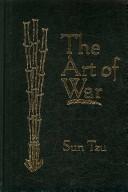
Start with the two books everyone in the field returns to. The Art of War, attributed to Sun Tzu, is the ancient distillation of strategy through indirection and deception, short enough to reread often. Much later in the path sits its Western counterpart, On War by Carl von Clausewitz, the dense but essential treatment of war as politics by other means. Between them you gain a vocabulary for everything that follows.
How armies and battles work
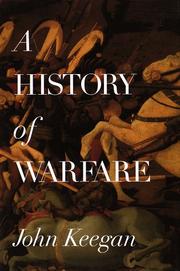
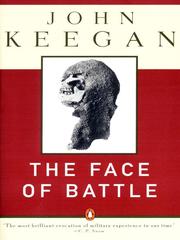
John Keegan is the indispensable guide, and several of his books anchor this path. A History of Warfare argues war is cultural, not merely political, while The Face of Battle revolutionized the field by asking what combat was actually like for the ordinary soldier at Agincourt, Waterloo, and the Somme. Carnage and culture by Victor Davis Hanson offers a provocative thesis about why Western armies won, worth reading as an argument to test.
Campaigns and the world wars
With the framework set, the great conflicts come alive. The campaigns of Napoleon by David Chandler is the definitive account of the era that defined modern maneuver. Keegan's The First World War and The Second World War give clear single-volume narratives of the century's defining catastrophes, and Antony Beevor's Stalingrad shows how one campaign can be told with unbearable human detail.
Strategy for the modern age
The path closes with the thinking. The Utility of Force by Rupert Smith argues that industrial war has given way to war among the people. Barbara Tuchman's The Guns of August is a masterclass in how miscalculation slid Europe into 1914, and Makers of modern strategy, edited by Peter Paret, surveys the strategic thinkers across centuries.
Read in this order and military history becomes a discipline of judgment rather than a heap of battles. Follow the full path to move from Sun Tzu to modern strategy.
Follow the full reading path →
Ready to learn something deeply?
Build a reading path — free