The Dust Bowl is easy to misremember as a natural disaster that simply happened. In truth it was a collision of drought, reckless plowing, and a national economy already in freefall, and the best books make you feel each of those forces before they explain how they combined.
A good reading order starts with the human stakes, moves through firsthand and journalistic accounts, then closes with the deeper economic and environmental analysis. That way the numbers land only after you already care about the people behind them.
Start with the human story
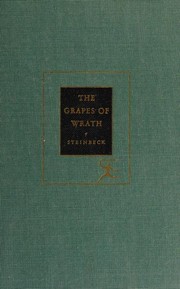
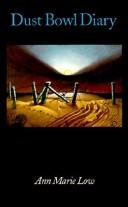
Begin with The Grapes of Wrath, John Steinbeck's novel of a tenant family driven west, which remains the most vivid door into what displacement actually felt like. Then read Dust bowl diary, Ann Marie Low's firsthand record of North Dakota farm life, to hear an unfiltered voice from inside the storm. The worst hard time, Timothy Egan's award-winning narrative history, follows families who stayed rather than fled and turns the decade into gripping, well-sourced storytelling.
Widen to the era and the causes
To place the drought inside the larger catastrophe, Hard times collects Studs Terkel's oral histories of the Great Depression, letting ordinary Americans describe the years in their own words. Dust Bowl: The Southern Plains in the 1930s, Donald Worster's landmark study, is the analytical core here: it argues the disaster was man-made, a product of a farming economy that mined the land. Pair it with An American exodus, Dorothea Lange's documentary photographs and text, which shows the migration Worster and Egan describe.
Understand the economics and the aftermath
For the policy backdrop, Factories in the field, Carey McWilliams's exposé of California's industrial agriculture, explains the exploitative labor system the migrants met when they arrived. Freedom from fear, David M. Kennedy's sweeping history of the Depression and New Deal, situates it all inside the federal response and the coming war. Finally, Ogallala Blue, William Ashworth's book on the great aquifer beneath the plains, carries the story forward: the water we drew down to farm through the drought is the resource we are still spending today.
Read this way, the Dust Bowl stops being a weather event and becomes a case study in how land, money, and policy can fail together. Follow the full path to move from the human story to its lasting lessons.
Follow the full reading path →
Ready to learn something deeply?
Build a reading path — free