Reconstruction is one of the most misunderstood periods in American history — long taught as a corrupt failure, now understood as a genuine democratic revolution that was violently overthrown. Getting it right matters, because the era's unfinished questions about citizenship, race, and rights run straight into the present. Reading in order is how you replace the old myth with the real story.
The path begins with what slavery built and emancipation meant, moves to the central histories of the era itself, and ends with the counterrevolution and the constitutional legacy.
Slavery's legacy and freedom's meaning
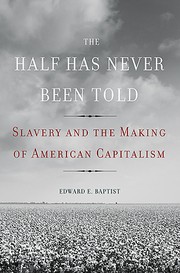
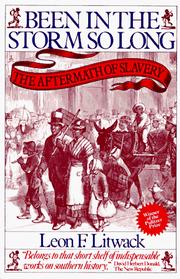
Start by understanding the world Reconstruction tried to transform. The Half Has Never Been Told by Baptist argues for slavery's centrality to American capitalism, essential background for what was at stake. Been in the storm so long by Litwack is the moving, Pulitzer-winning account of what emancipation actually felt like to the newly freed — the human ground on which everything else stood.
The central histories
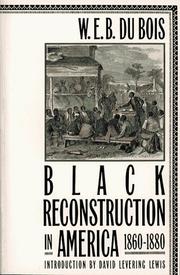
Two books define the modern understanding. Reconstruction: America's Unfinished Revolution by Foner is the definitive synthesis, comprehensive and authoritative, and the natural spine of any reading on the era. Black reconstruction in America by Du Bois is the visionary, radical work that overturned the old racist historiography decades before mainstream scholarship caught up — a landmark of both history and moral argument.
Counterrevolution and legacy
The era's tragedy was its violent reversal. Bloody Shirt by Budiansky chronicles the terror campaign that destroyed Reconstruction, and A Death-Blow to Reconstruction by Lane focuses on a single massacre and Supreme Court case that gutted federal protection of Black rights. The strange career of Jim Crow by Woodward is the classic account of the segregation system that filled the vacuum. Finally, The Second Founding, also by Foner, examines how the Reconstruction amendments remade the Constitution — and why their promise remains only partly kept.
Read in this order and Reconstruction becomes what it was: a bold experiment in democracy, violently undone, whose questions are still open. Follow the full path to move from emancipation to the constitutional legacy that shapes American life today.
Follow the full reading path →
Ready to learn something deeply?
Build a reading path — free