The Gilded Age took its name from a novel that meant it as an insult: a thin layer of gold over base metal, dazzling wealth masking corruption and misery. Understanding the era means holding both sides at once — the astonishing industrial fortunes and the brutal conditions that produced them, the tycoons and the workers, the celebration of wealth and the revolt against it. Reading in order keeps that tension in view.
The path begins with the era's self-image and its great capitalists, moves to the labor and urban reality they created, and ends with the war of ideas over inequality itself.
The name and the tycoons
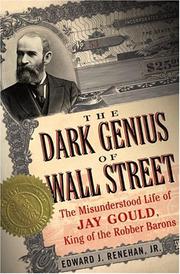
Start where the label came from: The Gilded Age, A Tale of Today by Mark Twain is the satire that named the era and skewered its speculation and graft. Then meet the men who built the fortunes. The tycoons by Morris profiles the industrialists who remade the economy, Dark Genius of Wall Street by Renehan portrays the ruthless financier Jay Gould, and Nothing Like It In The World by Ambrose tells the epic of the transcontinental railroad. Railroaded by White is the more critical account of how those railroads were financed and the corruption they bred.
The other half
The gilding covered real suffering. How the other half lives by Riis is the pioneering photojournalistic exposé of tenement poverty in New York, and The Jungle by Sinclair is the muckraking novel whose depiction of the meatpacking industry shocked the nation into reform. Death in the Haymarket by Green recovers the labor conflict and the bombing that became a symbol of the era's class war.
The war of ideas
The period's deepest conflict was over the meaning of wealth itself. The gospel of wealth by Carnegie is the tycoon's own justification — the argument that great fortunes carry a duty of philanthropy — while Wealth against commonwealth by Lloyd is the fierce contemporary indictment of monopoly and its corruption of democracy. The republic for which it stands, also by White, is the sweeping modern synthesis that ties the whole era together.
Read in this order and the Gilded Age reveals its double nature — glittering surface, contested core. Follow the full path to move from the tycoons to the reformers and the argument over inequality that still echoes.
Follow the full reading path →
Ready to learn something deeply?
Build a reading path — free