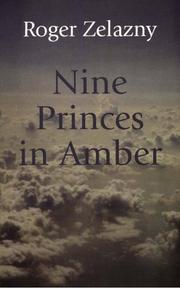
Start with Nine Princes in Amber. Roger Zelazny's series runs in strict publication order, which is also its chronological order, and the first book opens with a man waking in a hospital bed with no memory, working out that he is a prince of the one true world and that his siblings are trying to kill him. It is a hundred and seventy-five pages and it moves like a thriller.
The order question is trivial here. The real question — the one that actually divides Amber readers — is whether to read the second five books at all.
The two cycles
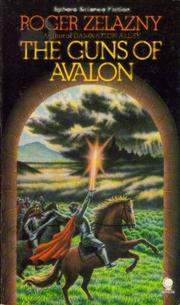
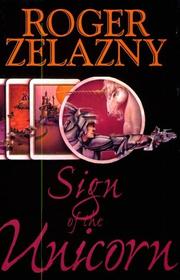
The ten novels split cleanly. The Corwin cycle is Nine Princes in Amber, The Guns of Avalon, Sign of the Unicorn, The Hand of Oberon and The Courts of Chaos. The Merlin cycle, written a decade later and narrated by Corwin's son, is Trumps of Doom, Blood of Amber, Sign of Chaos, Knight of Shadows and Prince of Chaos.
Read the first five in order. They were written as one continuous novel published in instalments — the volumes are short, they end mid-motion, and reading them as five separate books is misleading. Treat it as a single seven-hundred-page work.
Should you read the Merlin cycle?
This is a genuine disagreement rather than a settled question, and it deserves an honest answer rather than a shrug.
The case against: the Corwin cycle ends at The Courts of Chaos with a real resolution. The Merlin books are lighter, more comic, and heavily invested in a computer-magic conceit that has aged oddly. Merlin is a less compelling narrator than his father — competent where Corwin was ruthless and funny. Worst, Zelazny died in 1995 having ended Prince of Chaos on unresolved threads he intended to continue. You will finish the tenth book on a plot hook that leads nowhere.
The case for: the second cycle is fast, enjoyable, expands the metaphysics considerably, and the Amber family remains excellent company.
Recommendation: read the first five, stop, and only continue if you actively want more of the setting rather than more of the story. Do not begin the Merlin cycle expecting closure.
Honest warnings
The prose is terse first-person hardboiled — Zelazny is doing Raymond Chandler in a fantasy universe, and the wisecracks are constant. It works, and it means characterisation is thin by modern standards. The siblings are largely defined by one trait each.
Book one moves so fast that the world-building arrives as assertion. Amber, the Pattern, shadow-walking and the Trumps are introduced with minimal explanation and refined over the following volumes. If you like a systematised magic, this is not that; the rules shift as the story needs them, and that is best accepted early.
There are also authorised prequel novels by John Gregory Betancourt, written after Zelazny's death. Skip them.
Where to go next in Zelazny
Lord of Light is the better book and, for many readers, the best thing he wrote — a science-fiction novel staged as Hindu and Buddhist myth, with a famous structural trick in its opening chapters. This Immortal, his first novel, shares a Hugo with Dune and is a good short introduction to his voice.
Kevin Crossley-Holland's The Norse Myths is worth having on the shelf for the mythic register Zelazny works in throughout, though it is background rather than a key.
If portal fantasy with an orderly world behind the shadows appeals, see also The Chronicles of Narnia.
Follow the full ordered path here: The Chronicles of Amber Reading Order.