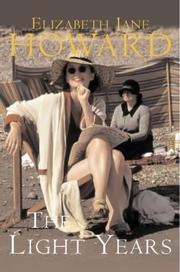
Start with The Light Years. Elizabeth Jane Howard's family saga runs in strict chronological sequence from the summer of 1937 to the late 1950s, publication order matches internal order, and the first volume does the essential work of installing you in the household at Home Place before the war arrives to dismantle it.
There is nothing to decide about order. The genuine question with the Cazalets is whether to read the fifth book, written eighteen years after the fourth, and that is worth settling before you start.
The sequence
The Light Years (1937–38), Marking Time (1939–41), Confusion (1942–45), Casting Off (1945–47), All Change (1956). Read them consecutively and reasonably close together — the cast is very large and the pleasure of the books is in tracking small changes in people you already know.
Howard's method is to move between a dozen viewpoints, adults and children, within a single chapter, often within a page. It looks casual and is precisely controlled. By book three you will find you have opinions about roughly thirty characters.
The fifth-book question
Howard published Casting Off in 1995 and treated it as the end. All Change came in 2013, when she was ninety, and it is a noticeably different book — the tone is harder, several beloved characters are handled brusquely, and there is a bleakness in its treatment of ageing that the earlier volumes keep at bay. Some readers consider it an unflinching and appropriate close. Others feel it damages what came before.
The recommendation: read the first four, sit with the ending, and then decide. Casting Off resolves the major relationships and is a legitimate final volume. All Change is not a book you need, and it is not one you can unread.
Honest warnings
The opening fifty pages of The Light Years are a wall of names. Three brothers, their wives, their children, the servants, the grandparents, and Howard introduces them without ceremony. Almost every edition has a family tree at the front; use it, and do not worry about retaining everyone immediately.
Very little happens in the plot sense. The books are about domestic texture — what people ate during rationing, who was cruel to whom at breakfast, how a marriage quietly fails. Two of the storylines involve child sexual abuse and its long aftermath, handled with restraint but present across several volumes, and readers should know that going in.
The Cazalets are wealthy and the servants are largely furniture, which is a real limitation of the books rather than a period excuse.
Where to start if you want something shorter first
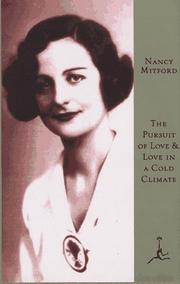
Nancy Mitford's The Pursuit of Love covers overlapping social territory in a fifth of the length and a much more comic voice. If you enjoy it you will very likely enjoy the Cazalets.
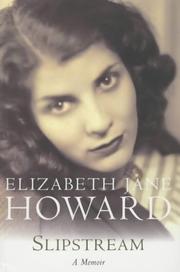
After the novels, Howard's memoir Slipstream is the natural next book. A great deal of the saga is drawn from her own life, and reading the memoir afterwards recasts several storylines — including the ones about predatory adults — quite sharply. It is also a good corrective to reading the novels as gentle nostalgia, which they are frequently mistaken for.
Where to stop
After Casting Off, unless you want the harder ending. Either way, do not stop mid-war: Marking Time and Confusion are the strongest volumes and Confusion in particular is where the series earns its reputation.
Browse more sequenced reading orders in Discover.
Follow the full ordered path here: The Cazalet Chronicles Reading Order and Guide.