The Atlantic slave trade is foundational to modern history, and reading it well means balancing scale with humanity. Statistics alone numb; individual voices alone can float free of structure. The strongest order gives you the system, then the lived experience, then the economics and the long struggle to end it — so the trade appears as both a machine and a crime against millions of individual people.
This path is built to hold both truths at once, and to let the enslaved speak for themselves before the historians interpret them.
Grasp the system
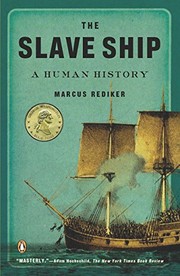
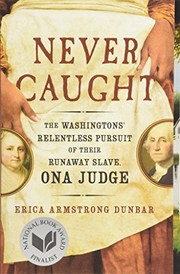
Start with The Slave Ship: A Human History, which anchors the entire trade in its central instrument — the vessel that carried the Middle Passage. Then a single, unforgettable story of resistance in Never caught, the account of a woman who escaped George Washington's household, which makes the human stakes immediate before the wider survey.
Hear the enslaved
No historian can substitute for the voices themselves. Interesting Narrative of the Life of Olaudah Equiano traces the trade from capture through the Atlantic, and Narrative of the life of Frederick Douglass and Incidents in the Life of a Slave Girl are the essential American testimonies — Douglass on the making of a man in bondage, Harriet Jacobs on the particular horrors faced by enslaved women. Read these slowly; they are the moral center of the path.
Understand economics and abolition
Now the structures and the end. Sweetness and power reveals how sugar tied European appetites to Caribbean slavery, and The Half Has Never Been Told argues that slavery was central to American capitalism itself. The great revolt comes in The Black Jacobins, C.L.R. James's classic on the Haitian Revolution, and the movement to end the trade in Bury the Chains. British Capitalism and British Slavery makes the economic case for abolition's timing, and The Warmth of Other Suns carries the story forward into the Great Migration and slavery's long American afterlife.
Follow the full path and the trade becomes legible as system, experience, and struggle at once. The related history paths extend the same reckoning to other chapters of the human record.
Follow the full reading path →
Ready to learn something deeply?
Build a reading path — free