The 2008 literature has a specific failure mode: read four books and you will have read the Lehman weekend four times, from four adjacent chairs, and still not know why the losses were so hard to locate or why the recession that followed was so deep. The narrative books are excellent and they are also nearly interchangeable.
So this path is organised by vantage point rather than by author. You get the shape of the story first, because analysis without scenes attached does not stick. Then you go backwards into how the instruments and the mortgage pipeline were actually built, then to the regulators arguing with each other about what they did, then to the economists arguing about what caused the damage, and finally to the historians who make all of it look smaller than it felt.
The narratives, first
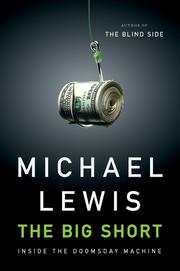
The Big Short follows the handful of investors who saw it coming and bet against the mortgage market. It is the fastest route to understanding what a subprime CDO was, precisely because the characters have to work that out on the page.
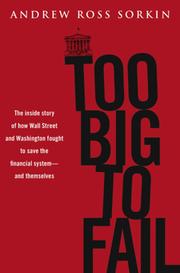
Too Big to Fail is the September 2008 weekend reconstructed from hundreds of interviews, inside the banks and inside Treasury. Lewis gives you the trade; Sorkin gives you the room where it came apart.
How the machine was built
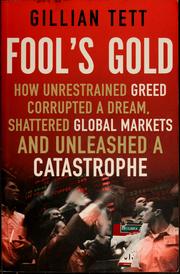
Fool's Gold is the origin story. Gillian Tett followed the J.P. Morgan team that invented credit derivatives in the 1990s, which means this is the book about the instruments everyone else in the crisis was struggling to understand in real time. Read it before any policy book.
All the Devils Are Here traces the other half of the supply chain: mortgage originators, Fannie and Freddie, the ratings agencies, and the regulators who waved it all through. Between them, Tett and McLean account for the whole pipeline from loan officer to balance sheet.
The regulators, contradicting each other
Stress Test is Timothy Geithner defending the bailouts and the stress tests. It is self-serving in places, and it is still the clearest explanation anywhere of why officials believed that punishing banks mid-panic would deepen the crisis.
Bull by the Horns should be read immediately afterwards. Sheila Bair chaired the FDIC and fought Geithner over both bank rescues and homeowner relief, and her account of the same meetings is not reconcilable with his. The disagreement is the substance of this stage — do not try to settle it, read both and notice where each is at their weakest.
What the economists concluded
After the Music Stopped is the bridge from narrative to analysis: a former Fed vice chair covering both the collapse and the policy response, written to be understood.
House of Debt is the most important empirical challenge in the field. Using county-level data, Mian and Sufi argue that the recession was driven by collapsing household balance sheets rather than by broken banks — which cuts directly against the Geithner account you have just read. Whether they are right remains genuinely disputed among macroeconomists.
Fault Lines widens the frame again. Rajan warned about these risks at Jackson Hole in 2005 and was publicly dismissed for it; his explanation runs through inequality and the political pressure to expand credit rather than through Wall Street alone.
The long view
This Time Is Different assembles eight centuries of financial crises and shows how reliably the same pattern recurs. Read it knowing that a later austerity paper by the same authors was found to contain a spreadsheet error — the historical database, not the policy conclusion, is the durable contribution here.
Crashed is the reframing that makes everything before it look parochial: 2008 as a transatlantic banking crisis rather than an American one, running forward into the eurozone, Ukraine and the politics of the following decade.
The Bankers' New Clothes ends the path on the unfinished question. Banks still operate on very thin equity, and Admati takes apart the industry arguments for why that is acceptable. Finish here and you are equipped to think about the next crisis rather than only the last one.
Read the path in order and the argument stops being about villains and starts being about plumbing.
Follow the full ordered path here: The Best Books on the 2008 Financial Crisis, in Reading Order.