Before anything else, an honest warning: the large majority of day traders lose money, many lose a great deal, and no book changes those odds into a promise. This path is education, not financial advice or a strategy that will make you money. Approach it as a way to understand a difficult, high-risk activity — and to grasp why discipline and risk control, not clever entries, separate the rare survivors from the rest.
The order that works starts with the technical tools, then spends heavily on psychology and risk, then finishes with systems and hard-won market wisdom.
The tools
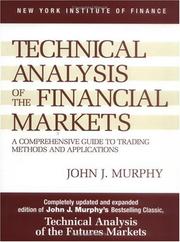
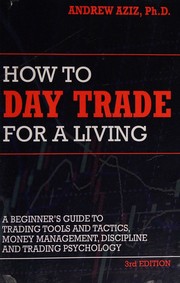
Start with the analytical toolkit. Technical Analysis of the Financial Markets by John Murphy is the standard reference for chart patterns, indicators, and trends — the vocabulary of the field. How to day trade for a living by Andrew Aziz is a popular, accessible introduction to the mechanics of the trading day, from setups to platform basics. These teach you what traders look at, though seeing a pattern is a long way from profiting from it.
Psychology and risk
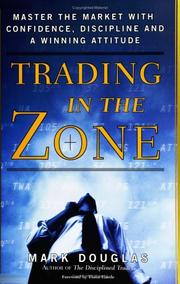
This is where trading is actually won or lost. Trading in the zone by Mark Douglas is the essential text on the probabilistic mindset and emotional discipline that consistent trading requires. The art and science of technical analysis by Adam Grimes brings statistical rigor and honesty about edge to the charts. Mastering the trade by John Carter combines specific setups with risk management, and Trade Your Way to Financial Freedom by Van Tharp centers position sizing and expectancy — the math of survival — above any entry signal.
Systems and wisdom
The final arc is durability. The New Trading for a Living by Alexander Elder frames trading around mind, method, and money management together. The disciplined trader, again by Mark Douglas, deepens the psychological work of acting consistently under pressure. Close with Reminiscences of a stock operator by Edwin Lefèvre, the century-old classic whose lessons about greed, fear, and patience remain the most quoted wisdom in the field.
Read in this order and you will understand why risk management and psychology dominate outcomes. But keep the warning central: only ever risk money you can afford to lose entirely, and treat this reading as education, not advice. Follow the full path to understand the discipline the rare consistent traders live by.
Follow the full reading path →
Ready to learn something deeply?
Build a reading path — free